
EASY CUSTOMIZATION
FREE SHIPPING ON ORDERS ABOVE $99
SAFE AND SECURE
Why Hospitals Should Switch to Printed Wristbands for Better Patient Care
Release time:
2024-07-21
Discover how printed wristbands are revolutionizing hospital efficiency and patient care. Learn about different wristband materials, printer types, and why FTGO's solutions are the ideal choice for healthcare and event needs.
🌟 Why Hospitals Should Transition to Printed Wristbands
In the fast-paced world of healthcare, efficiency and accuracy are paramount. For years, many hospitals have relied on handwritten wristbands to track and identify patients. However, this outdated method is not only inefficient but also prone to human error, especially during busy times. The need for a more reliable, professional, and streamlined system has led to the adoption of printed wristbands. These wristbands are changing the way hospitals manage patient information, improving both patient safety and hospital workflow.

Advantages of Printed Wristbands
Printed wristbands offer a variety of benefits, particularly in healthcare, events, and other industries that require secure, efficient identification and tracking. Here are some of the key advantages:
1. Enhanced Efficiency
Printed wristbands streamline the identification process, especially in high-demand environments such as hospitals or large events. Unlike handwritten wristbands, which require manual entry and are prone to errors, printed wristbands can be quickly generated, saving time and minimizing mistakes.
Faster Patient Identification: In hospitals, printed wristbands help speed up the admission and identification process, allowing healthcare providers to focus more on patient care.
Streamlined Event Management: At events, wristbands can help manage guest access and tracking with ease, ensuring a smooth experience.
2. Reduced Human Error
Handwritten wristbands are prone to mistakes, especially in busy settings. A simple typo or illegible handwriting can lead to serious consequences, particularly in a medical environment. Printed wristbands eliminate this issue by ensuring that information is clearly legible and error-free.
Accurate Information: Printed wristbands ensure that critical details, such as patient names, dates of birth, and medical conditions, are printed correctly and consistently.
Improved Data Integrity: With the option to include barcodes or QR codes, printed wristbands can be scanned, ensuring accuracy and minimizing the risk of human error.
3. Customizability
Printed wristbands are highly customizable, allowing businesses and hospitals to tailor wristbands to their specific needs. Whether it's for color-coding, adding logos, or printing important details, printed wristbands can be adapted for various uses.
Branding and Personalization: Event organizers can use wristbands as part of their branding strategy, incorporating logos, event names, and other relevant information.
Healthcare Customization: Hospitals can print essential patient information on wristbands, including medical record numbers and other critical details, all while maintaining a clean and professional appearance.
4. Durability and Comfort
Depending on the material used (such as silicone, vinyl, or Tyvek), printed wristbands can be both durable and comfortable for extended wear. Hospitals and events often require wristbands that can withstand wear and tear, especially in environments where they are worn for long durations.
Water-Resistant and Tear-Proof: Materials like Tyvek and vinyl are resistant to water, tearing, and fading, ensuring that the wristbands remain intact even in harsh conditions.
Comfortable for Patients and Guests: Silicone wristbands, for example, are soft and flexible, making them comfortable for long-term use.

5. Cost-Effective Solution
Although the initial setup for printed wristbands might involve purchasing a printer or setup fee, the long-term cost savings can be significant. Printed wristbands help reduce the need for manual labor and the expenses associated with correcting errors or replacing damaged handwritten wristbands.
Less Labor-Intensive: With printing solutions in place, hospitals or event organizers can easily print wristbands on-site without additional labor costs for handwriting or manual customization.
Long-Term Savings: Printed wristbands have a longer lifespan compared to handwritten versions, making them a more economical choice for frequent use.
6. Improved Patient and Guest Experience
Printed wristbands provide a more professional and polished appearance compared to handwritten alternatives. For patients, wearing a wristband that is clearly legible and printed adds to their overall experience, making them feel that they are in a well-organized, modern facility. In events, printed wristbands give guests a feeling of exclusivity and uniformity, helping to manage access and attendance seamlessly.
Better First Impressions: Whether in healthcare or events, printed wristbands help create a positive first impression for patients or guests.
Enhanced Security and Tracking: Wristbands with barcodes or RFID chips can easily be scanned for additional security measures, such as access control, reducing the risk of fraud.
7. Scalability
Printed wristbands can easily accommodate high volumes, making them ideal for large-scale events or busy hospital environments. Whether you're managing thousands of attendees at an event or hundreds of patients in a hospital, printed wristbands are designed to scale without compromising on quality or efficiency.
Adaptable for Different Event Sizes: From small gatherings to massive events, printed wristbands are scalable and efficient.
Supports High Patient Volumes: Hospitals with high patient turnover benefit from using printed wristbands for quick and accurate identification.
8. Compliance and Safety
In healthcare, patient safety is the utmost priority. Printed wristbands can be used to meet regulatory and safety standards, ensuring that all patient details are clearly and accurately displayed. Additionally, they can include safety features like barcodes, QR codes, or RFID, which can be scanned to access patient records quickly and easily.
Accurate Patient Records: Ensure that patient records are linked to wristband details through barcode or RFID scanning.
Meet Industry Standards: Hospitals can ensure compliance with industry regulations for patient safety and identification.
✍️ Outdated Handwritten Wristbands
Historically, many hospitals used handwritten wristbands for patient identification. The method involves manually writing crucial information, such as the patient’s name, date of birth, and medical record number. While this method was common, it has several flaws:
- High error risk: Handwriting is prone to mistakes, especially in a fast-paced environment.
- Inefficient: Updating or adding new fields requires creating new templates, which is time-consuming.
- Lack of consistency: Handwritten information can sometimes be illegible, which could compromise patient care.
By using printed wristbands, these issues are mitigated. Hospitals can enjoy quicker, more accurate patient identification, and a streamlined admission process.
🏥 Print Wristband Materials
When choosing a print wristband, selecting the appropriate material is essential for both comfort and durability. The two main types of wristbands used in hospitals are vinyl and silicone. Below is a comparison of various wristband materials that FTGO offers:
| Material | Description | Printer Compatibility |
| Vinyl | A durable, tear-resistant plastic that’s ideal for long-term use in healthcare. | Direct thermal printing |
| Silicone | Known for its flexibility and comfort. Ideal for long-wear, silicone can be printed directly with heat-sensitive printers. | Direct thermal/heat transfer printing |
| Tyvek | Lightweight, tear-resistant, and waterproof. Ideal for one-time use at events or hospitals. | Direct thermal/heat transfer printing |
| Fabric | Made from cotton or polyester, often used for events where high-quality, reusable wristbands are needed. | Not compatible with most printers |
| Plastic | Durable and cost-effective, plastic wristbands are often used for activities needing a balance of durability and cost. | Not compatible with most printers |
💡 What Makes FTGO’s Wristbands Different?
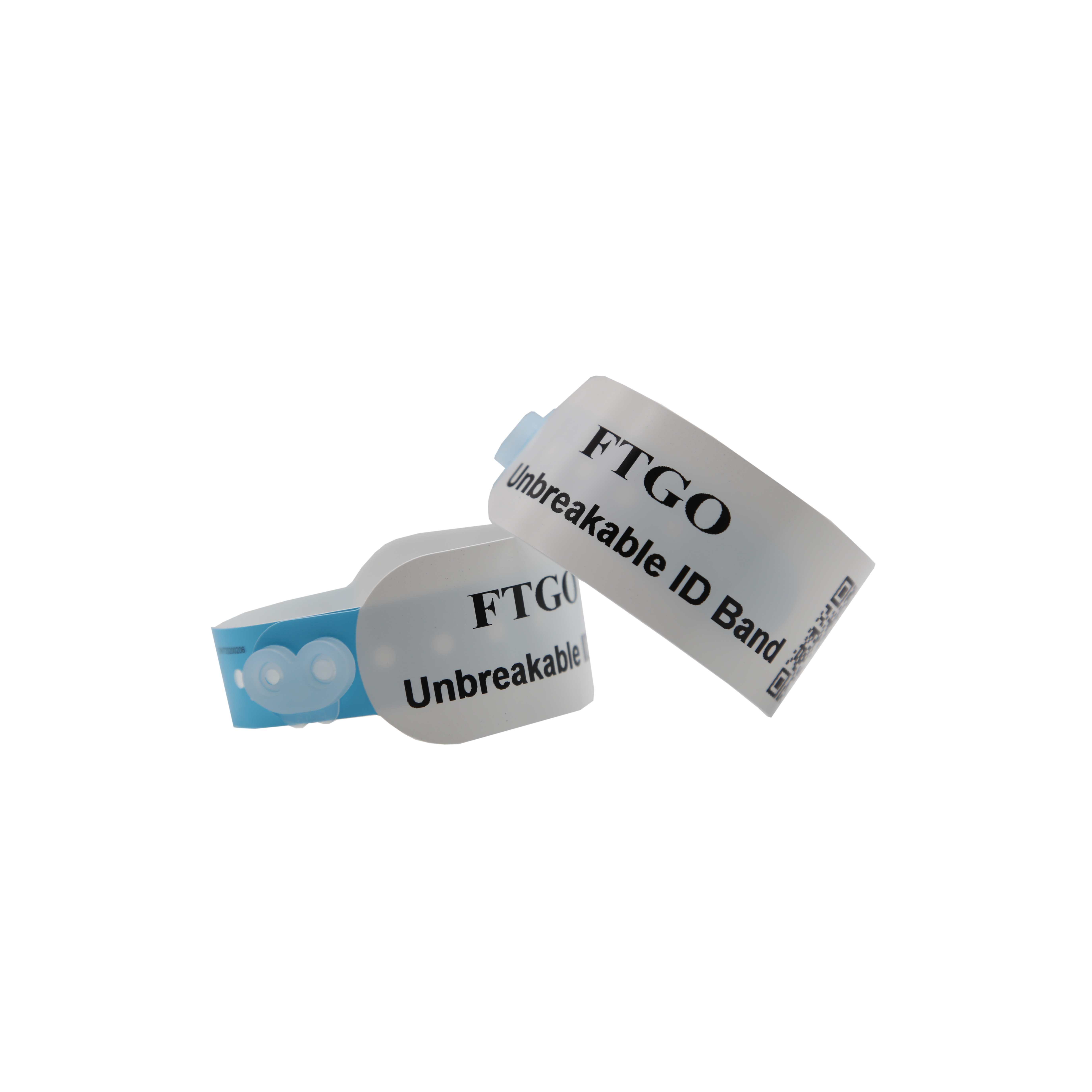
At FTGO, we pride ourselves on offering the highest quality wristbands that meet both medical and event needs. Our silicone wristbands, for example, stand out with their 0.03mm thickness, providing a perfect balance of durability and comfort.
🖨️ Types of Wristband Printers
To ensure seamless printing, it’s important to choose the right printer for your wristband material. Here’s a breakdown of the four most common types of printers used for wristband printing:

1. Direct Thermal Printers
Direct thermal printers use heat to produce prints on heat-sensitive paper. These printers are widely used for labels and wristbands in industries where frequent updates are necessary.
Pros:
Cost-effective, as they don’t require ink or toner.
Ideal for industries with a high turnover of wristbands or labels.
Cons:
Prints are less durable and may fade over time.
Not suitable for harsh environments.
2. Thermal Transfer Printers
These printers use heat to transfer ink from a ribbon onto the wristband. They provide durable, long-lasting prints that can withstand high temperatures, moisture, and other environmental factors.
Pros:
High-quality, durable prints that last longer than direct thermal prints.
Suitable for more permanent applications like hospital wristbands.
Cons:
Requires ink ribbons, which adds to ongoing costs.
Slower printing speed compared to direct thermal printers.
3. Inkjet Printers
Inkjet printers spray tiny droplets of ink onto the wristband material. They are ideal for high-resolution, full-color prints, making them suitable for event wristbands or promotional materials.
Pros:
Ability to print high-quality, full-color images and text.
Ideal for custom designs.
Cons:
Ink can smudge and requires maintenance.
Higher cost for ink and ongoing supplies.
4. Laser Printers
Laser printers use laser technology to transfer toner onto the wristband. This type of printer is typically used for large-scale printing tasks, such as batch printing of barcodes or QR codes on wristbands.
Pros:
High-quality prints with excellent resolution.
Fast and efficient for large quantities.
Cons:
Higher upfront costs.
Requires toner cartridges, which can be costly.
🏷️ Choosing the Right Printer for Your Hospital or Event
When selecting a printer, it’s important to consider the following:
- Print volume: If you need to print wristbands in high volumes quickly, a thermal transfer printer or laser printer may be the best option.
- Durability requirements: For wristbands that need to withstand long-term wear or harsh environments, opt for thermal transfer printers or laser printers.
- Customization needs: If full-color wristbands are required, inkjet printers are ideal.
🌟 Why Choose FTGO’s Wristband Solutions?
FTGO not only offers a wide range of wristbands made from durable materials like silicone and vinyl but also provides high-quality printing solutions that are easy to use, cost-effective, and reliable. Our wristbands are compatible with the most commonly used wristband printers, including direct thermal, thermal transfer, and inkjet printers.
❓ FAQ
🔹 What types of wristband printers does FTGO offer?
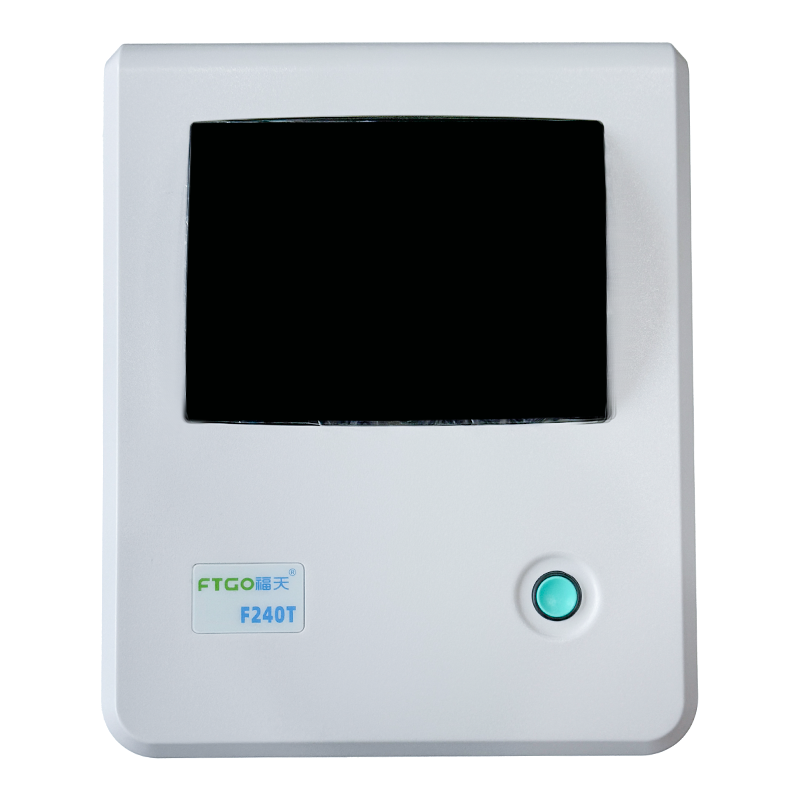
FTGO offers direct thermal printers and thermal transfer printers. These two options are suitable for different hospital and event needs, offering efficiency and quality prints.
🔹 Can I print on all types of wristbands?
Not all wristband materials are compatible with every printer. For instance, vinyl, silicone, and Tyvek are compatible with both direct thermal and thermal transfer printers, while fabric and plastic require different printing techniques.
🔹 Why should I choose FTGO’s wristbands?
FTGO’s wristbands are made from high-quality materials such as silicone and vinyl, which are durable and comfortable. Our wristbands are customizable, and our printers are designed to ensure high-quality, fast, and cost-effective printing solutions.
🔹 What are the advantages of using printed wristbands over handwritten ones?
Printed wristbands reduce the risk of human error, improve hospital workflow, and offer better patient identification, ultimately enhancing the overall healthcare experience.
Conclusion: Transforming Patient Identification with FTGO
The healthcare industry is evolving, and hospitals must keep pace with technological advancements. By switching from handwritten wristbands to printed wristbands, hospitals can enhance efficiency, minimize errors, and improve patient experience. With FTGO’s superior wristband options and easy-to-use printing solutions, healthcare providers can offer a higher standard of care while maintaining cost efficiency.
Ready to upgrade your hospital’s wristband system? FTGO offers a comprehensive range of wristbands and printers designed to meet the needs of medical professionals. Reach out to us today to learn more


Related News
Contact Us

CONTACT US
Tel:+852 5442 7314
Email:info@ftgo.com
Address:Unit 9040, 903-904, 9/F, Block B, Chung Mei Centre,15-17 Hing Yip Street, Kwun Tong, Kowloon, Hong Kong
Related website: Wristband manufacturer