
EASY CUSTOMIZATION
FREE SHIPPING ON ORDERS ABOVE $99
SAFE AND SECURE
Why pediatric hospitals prefer thermal printing
Release time:
2024-06-30
Learn how thermal printing in pediatric hospitals reduces barcode errors by 60%, saves up to $10K/year, and provides durable, safe patient ID wristbands.
Pediatric hospitals prefer thermal printing for patient identification wristbands because it offers several key advantages tailored to the unique demands of caring for young patients. Below are the primary reasons:

1. Durability and Lifespan
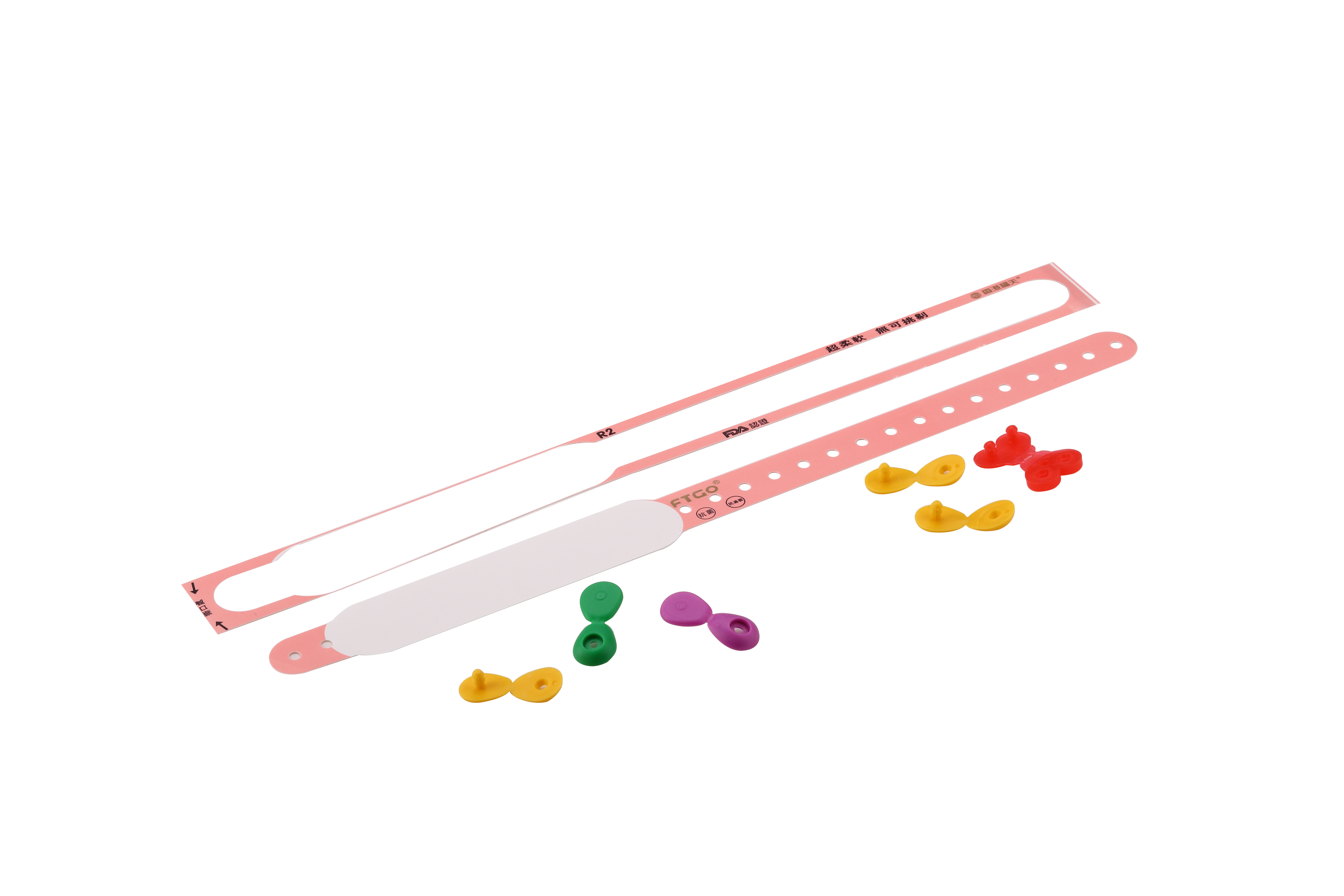
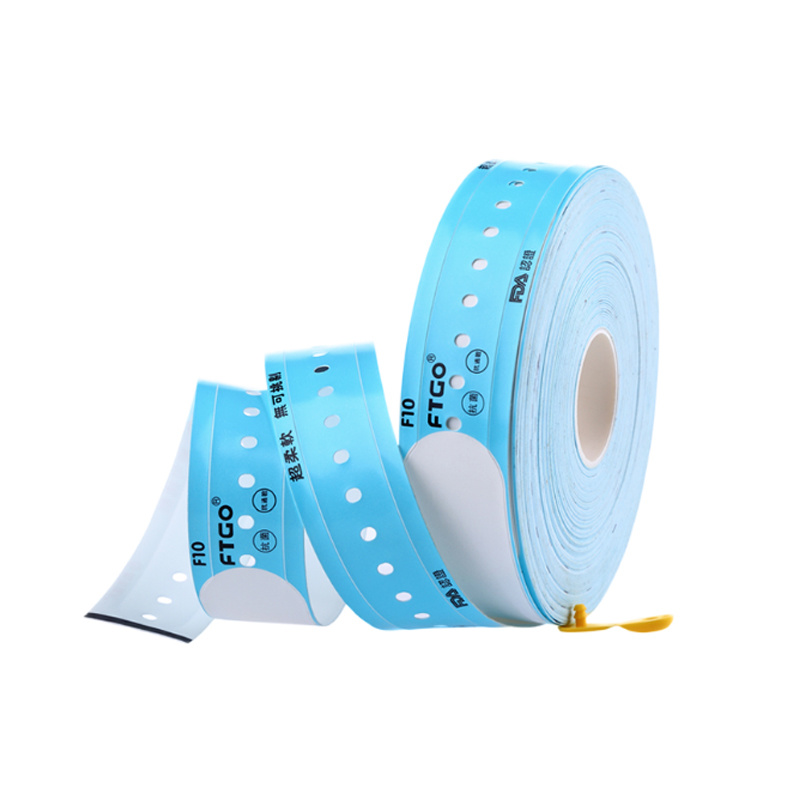
Thermal printers use heat to transfer patient information and barcodes onto wristbands, creating prints that are highly durable. In a hospital environment, wristbands are subjected to frequent cleaning, sterilization, and wear and tear—conditions that are especially relevant for pediatric patients who may be more active or have longer stays. Thermally printed wristbands resist fading and smudging, ensuring clear identification throughout a patient’s visit. For instance, products like the FTGO Patient ID Wristband can last up to 16 days, which is particularly valuable for children requiring extended care.
2. Waste Reduction
Unlike standard laser printers, which often print both adult and child wristbands on the same sheet (even if only one is needed) and produce excess labels that go unused, thermal printing allows for on-demand printing. This eliminates overproduction, reducing paper and adhesive waste. In pediatric hospitals, where wristband sizes and needs differ from adult facilities, this precision minimizes unnecessary printing. Additionally, unused laser-printed labels pose a privacy risk if not disposed of properly under HIPAA guidelines, a concern thermal printing avoids by producing only what’s required. The sustainability aspect—fewer resources wasted and no need for ribbons—further aligns with environmentally conscious practices.
3. Enhanced Patient Safety
Thermal printers produce high-resolution, scannable barcodes and clear text, critical for accurate patient identification and safe medication administration. In pediatric hospitals, where ensuring the safety of young patients is paramount, this clarity reduces the risk of errors. Unlike laser printing, which often relies on a shared, centralized printer that can lead to backups and mix-ups, thermal printers can be placed at every workstation. This decentralized approach enhances security by ensuring staff print and apply the correct wristband immediately, minimizing the chance of misidentification.
4. Improved Efficiency
Time is critical in pediatric settings, especially during busy periods or emergencies. Thermal printers are fast, seamlessly integrating with electronic medical records (EMRs) to produce high-quality wristbands quickly. This efficiency streamlines check-in and treatment processes, allowing healthcare providers to focus on patient care rather than administrative delays. The speed and reliability of thermal printing are particularly beneficial in high-pressure situations common in pediatric hospitals.
By switching to thermal printing technology, pediatric hospitals can enjoy the convenience and added security of having patient ID wristband printers at every workstation.
5. Cost Savings
Thermal printers have lower operating costs compared to other technologies since they don’t require ink or toner. Additionally, thermal wristbands are typically less expensive per unit than laser wristbands. For pediatric hospitals managing budgets while maintaining high standards of care, these savings make thermal printing an economical choice without compromising quality.
Why Pediatric Hospitals Specifically?
While these benefits apply to all healthcare settings, they are especially significant in pediatric hospitals. The durability of thermally printed wristbands is critical for active children who might unintentionally damage them. The ability to print only what’s needed reduces waste in a context where patient volumes and wristband sizes vary. Most importantly, the enhanced safety features—like clear barcodes and decentralized printing—address the heightened need to protect young, vulnerable patients who may not be able to advocate for themselves.
Quick Hits to Remember
- Toughness: Up to 16 days of wear 📅
- Waste: Barely any with on-demand printing 📉
- Safety: Clear barcodes, fewer errors ✅
- Speed: Seconds to print, EMR-ready ⚡
- Savings: No ink, cheaper wristbands 💰
In summary, pediatric hospitals prefer thermal printing for patient identification wristbands due to its durability, waste reduction, enhanced patient safety, improved efficiency, and cost savings—advantages that align perfectly with the demands of pediatric care.
FTGO provides you with the most suitable products
FTGO shares healthcare providers' commitment to providing a safe and secure patient care environment and has been providing high-quality identification solutions to hospital professionals for over 15 years. FTGO offers a wide range of thermal print wristbands to help hospital staff seamlessly identify patients throughout their visit. With a broad product portfolio and custom manufacturing capabilities, FTGO is well-positioned to be a trusted supplier and partner. If your pediatric hospital is considering switching to thermal printing to enjoy these benefits, contact an FTGO representative today.
Conclusion


Related News
Contact Us

CONTACT US
Tel:+852 5442 7314
Email:info@ftgo.com
Address:Unit 9040, 903-904, 9/F, Block B, Chung Mei Centre,15-17 Hing Yip Street, Kwun Tong, Kowloon, Hong Kong
Related website: Wristband manufacturer