
EASY CUSTOMIZATION
FREE SHIPPING ON ORDERS ABOVE $99
SAFE AND SECURE
What Does a Yellow Wristband Mean in a Hospital? Understanding the Significance of Color-Coded Alerts and Custom Wristband Solutions by FTGO
Release time:
2024-12-24
Discover the significance of yellow wristbands in hospitals and how they play a crucial role in patient safety, particularly in fall prevention. In this blog post, we explore the meaning behind yellow wristbands, their importance in healthcare settings, and how customizable wristband solutions, like those offered by FTGO, help enhance communication and care. Learn about the color-coded wristband system used in hospitals, and understand how FTGO's high-quality, customizable wristbands can improve patient safety and streamline hospital protocols. Whether it's preventing falls, indicating allergies, or ensuring specific care needs, FTGO’s wristbands are a reliable choice for healthcare providers looking to maintain safety and efficiency.
Introduction
Color-coded wristbands are an essential part of hospital safety protocols, used to quickly communicate important patient information to medical staff. While many are familiar with these wristbands, the significance of each color can vary depending on the hospital, region, or country. One of the most commonly seen colors in hospitals is yellow. But what does a yellow wristband actually mean? Is it universal across hospitals, or does it change based on the healthcare facility’s needs?
In this post, we’ll explore what a yellow wristband represents in a hospital setting and how its use plays a critical role in patient safety. We’ll also touch on how healthcare providers can take advantage of customizable wristband solutions, like those offered by FTGO, to ensure consistent and clear communication within their facilities.
The Purpose of Color-Coded Wristbands
In hospitals, color-coded wristbands are used to alert staff to specific patient needs or risks. These wristbands serve as an immediate, visual cue for medical staff to know essential information without needing to dig through patient records. For example, red wristbands might indicate allergies, while yellow ones could signal fall risk, requiring extra attention.
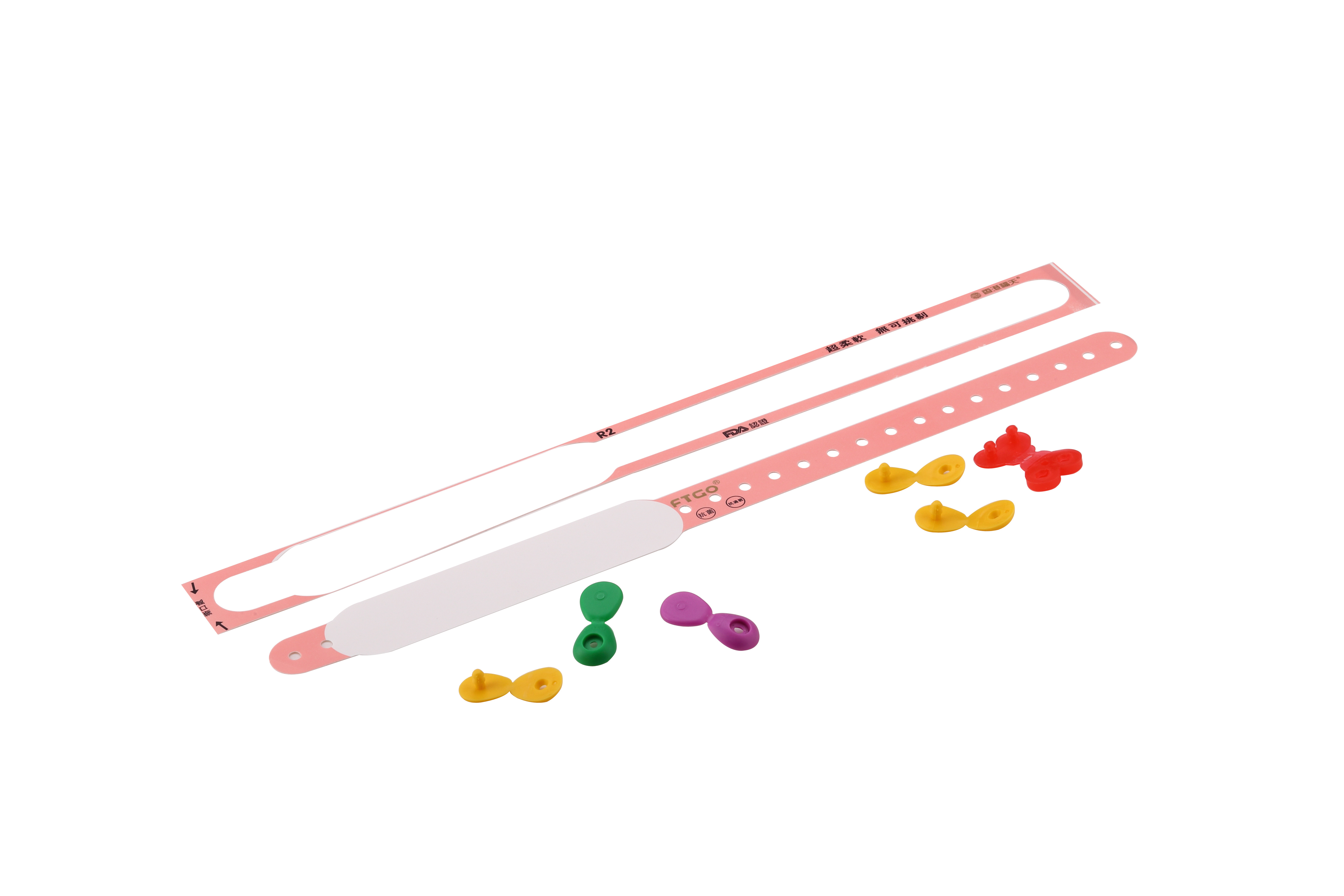
Custom wristband solutions, such as those from FTGO, allow hospitals to tailor these colors and designs to suit their specific needs, ensuring that staff can quickly recognize important information. Whether it’s fall risk, DNR (Do Not Resuscitate) status, or a specific allergy, FTGO's wristbands are customizable with various colors, sizes, and even logos, providing clarity and enhancing communication across the healthcare team.
By integrating customizable wristbands into hospital operations, facilities can better align with safety standards, improving patient outcomes and fostering a culture of care and responsibility.
The Meaning of a Yellow Wristband
A yellow wristband is commonly associated with fall risk in many hospitals. Patients who are at risk of falling may be given a yellow wristband as a visual signal to healthcare professionals and staff that extra precautions should be taken to prevent accidents. This could include additional monitoring, assistance with mobility, or ensuring that the patient’s environment is free from tripping hazards.
While the meaning of yellow wristbands is generally standardized across many hospitals, some regions or facilities may have additional or different interpretations of the color. This is why it’s important for hospitals to communicate effectively with both patients and families about the specific meanings of wristband colors used within their facility.
FTGO's customizable wristbands are an excellent solution for healthcare providers looking to maintain consistent standards across their facility. With customizable options for yellow wristbands, hospitals can choose the precise material, size, and design that works best for their needs. FTGO's high-quality wristbands ensure that the colors are vibrant and easily recognizable, making them an ideal choice for ensuring patient safety.
Why is the Yellow Wristband Important for Patient Safety?
Yellow wristbands play a pivotal role in patient safety by acting as a preventive measure against falls, which are one of the most common incidents in hospitals. Fall-related injuries can lead to longer hospital stays, complications, and a diminished quality of life, particularly for elderly patients or those recovering from surgery. The presence of a yellow wristband signals to the medical team that the patient may require additional care and attention to avoid accidents.
Moreover, these wristbands not only help with fall risk but can also streamline communication between medical staff, helping to minimize mistakes and enhance care delivery. The visual cue of a yellow wristband allows for immediate identification of the need for heightened monitoring, which is vital for patients who may be more prone to falling.
FTGO offers advanced wristband customization options that can meet the specific safety needs of any healthcare setting. Whether you’re looking for a sturdy material that resists wear and tear, or a more comfortable option for extended patient use, FTGO provides solutions that ensure both safety and comfort. Their customizable wristbands also come in a variety of colors, including yellow, making it easy for hospitals to follow color-coded protocols effectively.
Other Common Hospital Wristband Colors and Their Meanings
Yellow wristbands are just one example of the color-coded system hospitals use to communicate important patient information. Other colors commonly seen in hospitals include:
- Red: Often used to indicate allergies, particularly to medications.
- Purple: Typically denotes a Do Not Resuscitate (DNR) order.
- Green: Used to indicate that a patient has a special request for organ donation.
- Blue: Can be used to identify patients who need a particular type of medical care or special treatment.
Each color serves a specific purpose, helping hospital staff quickly assess and respond to a patient's condition or needs. The color-coded wristband system is designed to enhance efficiency and patient safety by providing a clear visual guide that can be easily understood by all hospital staff, even in high-pressure situations.
FTGO offers a comprehensive range of customizable wristband options, including all of these key colors. By working with FTGO, hospitals can ensure that their wristbands are consistent, high-quality, and tailored to meet their unique patient care requirements. FTGO’s wristbands are available in various styles, including RFID-enabled wristbands, ensuring that hospitals can stay on top of modern security and care protocols.
Conclusion
Yellow wristbands serve as an essential tool for preventing falls and enhancing patient safety in hospitals. By using a simple visual cue, medical staff can easily identify patients who require extra attention and care. While the color yellow is commonly associated with fall risk, the meaning of wristbands can vary across hospitals, making it important for patients and families to understand what each color represents in their specific facility.
For hospitals looking to implement or upgrade their wristband system, FTGO offers customizable wristbands that ensure the highest level of clarity and safety. Whether you need a yellow wristband to indicate fall risk, a red one for allergies, or a blue one for specialized care, FTGO provides customizable solutions to meet your needs. With FTGO’s wristbands, you can enhance communication, improve patient safety, and ensure that every patient’s needs are met with care and attention.


Related News
Contact Us

CONTACT US
Tel:+852 5442 7314
Email:info@ftgo.com
Address:Unit 9040, 903-904, 9/F, Block B, Chung Mei Centre,15-17 Hing Yip Street, Kwun Tong, Kowloon, Hong Kong
Related website: Wristband manufacturer