
EASY CUSTOMIZATION
FREE SHIPPING ON ORDERS ABOVE $99
SAFE AND SECURE
The Essential Guide to Patient ID Wristbands for Non-Acute Care Facilities
Release time:
2024-06-21
Perfect for administrators and decision-makers, this title promises a comprehensive overview, positioning the post as a must-read resource for implementing or upgrading wristband systems.
Introduction to Patient ID Wristbands
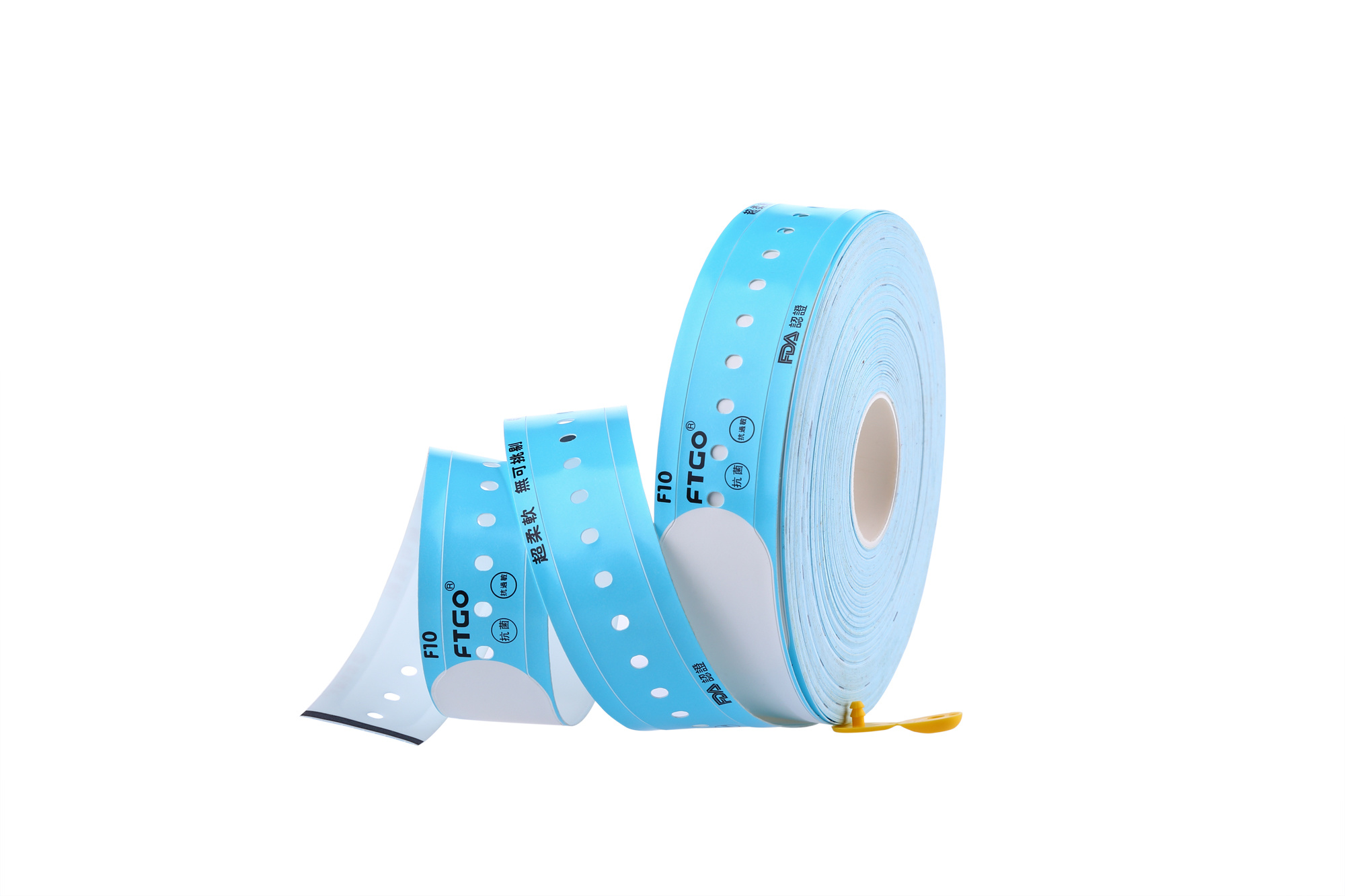
Patient ID wristbands are essential tools in non-acute healthcare settings, such as outpatient clinics, rehabilitation centers, and long-term care facilities. These settings often have lower staff-to-patient ratios and patients with intermittent or extended stays, increasing the risk of misidentification. Wristbands provide a visible, reliable identifier to ensure patient safety, streamline processes, and enhance the overall care experience.
Importance in Non-Acute Care
In non-acute healthcare, challenges like intermittent visits and long-term stays can lead to errors, such as medication mix-ups or incorrect treatments. Wristbands address these by offering a consistent identifier, integrating with electronic health records (EHRs), and reducing reliance on memory. For instance, a study highlighted that identification errors can lead to significant costs, emphasizing the need for reliable solutions like wristbands.
Choosing the Right Wristband
Selecting the appropriate wristband involves considering durability for long-term use, comfort for patients with sensitive skin, and compatibility with digital systems like barcodes or QR codes. Options include disposable wristbands for short-term stays and reusable ones for long-term care. A table can help compare these:
| Type | Durability | Comfort | Cost | Suitable For |
| Disposable | Low | Medium | Low | Short-term stays, high volume |
| Reusable | High | High | Medium | Long-term care, lower volume |
| Tech-Enabled (RFID, NFC) | High | Medium | High | Digital systems, real-time tracking |
This choice impacts patient satisfaction and operational efficiency, with customizable features like allergy alerts adding value.
Enhancing Patient Experience
Wristbands improve patient experience by ensuring safety and convenience, reducing anxiety through correct identification. They also foster trust by showing a professional approach, and customizable options can personalize care, making patients feel seen and heard. For example, a patient in rehab might feel secure knowing their wristband prevents treatment errors.
Cost-Effectiveness and Savings
Research suggests wristbands are cost-effective, with a meta-analysis showing a 57.5% reduction in medical errors using barcode scanning, potentially saving on legal fees and rework costs. Their low upfront cost, scalability, and time savings make them a smart investment for non-acute facilities, especially when purchased in bulk for discounts.

Future Trends in Technology
The future of wristbands includes advanced technologies like RFID for real-time tracking, NFC for digital integration, and even biometric verification for enhanced security. These innovations could monitor vital signs and integrate with telemedicine, offering a more personalized and efficient care environment, though initial costs and staff training are considerations.
Detailed Analysis and Insights
This comprehensive analysis explores the role of patient ID wristbands in non-acute healthcare settings, such as outpatient clinics, rehabilitation centers, and long-term care facilities, addressing their importance, selection criteria, impact on patient experience, cost-effectiveness, and future technological trends. The discussion is grounded in research and data, aiming to provide actionable insights for healthcare providers and administrators.
Context and Relevance
Non-acute healthcare settings differ from acute care due to lower staff-to-patient ratios, intermittent patient visits, and extended stays, which heighten the risk of misidentification. For example, a patient visiting an outpatient clinic periodically might be confused with another due to similar names, leading to errors in medication or treatment. Patient ID wristbands serve as a critical tool to mitigate these risks, offering a visible and reliable identifier that integrates with electronic health records (EHRs) for seamless tracking. This is particularly vital given the potential consequences, such as medication errors, incorrect treatments, and legal or financial implications, which can erode trust and increase costs for facilities.
Research, such as a study on patient safety, underscores that identification errors are a significant issue, with potential costs running into millions for healthcare providers, emphasizing the need for effective solutions like wristbands
Why Patient ID Wristbands Matter
The unique challenges of non-acute care, such as lower staff ratios and long-term stays, make patient identification crucial. For instance, in long-term care facilities, patients' appearance or health status may change over time, increasing misidentification risks. Wristbands address these by providing a constant, visible identifier, reducing reliance on memory or verbal confirmation, which are prone to error. They can also include additional information like allergies or medical conditions, enhancing safety further.
A study on patient identification errors in hospitals suggests similar challenges apply to non-acute settings, with errors often stemming from large caseloads and physical proximity, highlighting the need for robust identification methods
Selecting the Right Wristband
Choosing the appropriate wristband is essential for meeting facility and patient needs. Key features include durability for long-term use, comfort for patients with sensitive skin, and compatibility with digital systems like barcodes or QR codes for integration with EHRs. Types include:
- Disposable Wristbands: Ideal for short-term stays or high-volume settings, cost-effective with low upfront costs.
- Reusable Wristbands: Suitable for long-term care, offering high durability and comfort, though with medium costs.
- Tech-Enabled Wristbands (RFID, NFC): Designed for facilities with digital systems, providing real-time tracking but at higher costs.
Factors influencing the decision include budget constraints, patient volume, and staff training needs. For example, a rehabilitation center with long-term patients might opt for reusable wristbands for cost savings over time, while an outpatient clinic might prefer disposable ones for ease of management.

A comparison table helps clarify options:
| Type | Durability | Comfort | Cost | Suitable For |
| Disposable | Low | Medium | Low | Short-term stays, high volume |
| Reusable | High | High | Medium | Long-term care, lower volume |
| Tech-Enabled (RFID, NFC) | High | Medium | High | Digital systems, real-time tracking |
Research on hospital wristbands indicates that compatibility with EMR systems, like EPIC or Cerner, is crucial for efficiency, with options like DuraSoft® laser wristbands saving over 275 nurse hours annually
Enhancing Patient Experience
In non-acute care, where the focus is on long-term rehabilitation, patient experience is paramount. Wristbands enhance this by ensuring safety through correct identification, reducing anxiety and building trust. They also offer convenience by minimizing repeated identification checks, streamlining interactions with staff. Customizable features, such as including patient preferences or allergy alerts, personalize care, making patients feel seen and heard.
For instance, a hypothetical scenario involves John, a patient in a rehab center, who feels secure knowing his wristband ensures correct treatment, improving his satisfaction. Addressing concerns like privacy (using discreet designs) and discomfort (choosing skin-friendly materials) further enhances experience. Research on patient identification suggests wristbands foster a culture of safety, crucial for patient satisfaction
Cost-Effectiveness and Financial Benefits
Non-acute facilities often face budget constraints, making cost-effectiveness key. Wristbands offer low upfront costs, especially disposable options, and scalability for varying patient volumes. Their primary financial benefit lies in reducing identification errors, which can lead to costly legal fees, rework, and reputation damage. A meta-analysis showed wristband bar-code scanning reduces medical errors by approximately 57.5%, potentially saving significant costs by preventing adverse events
Long-term savings include improved efficiency, allowing staff to focus on care rather than verification, and bulk purchasing discounts. For example, reducing errors can lower the risk of expensive treatments or lawsuits, making wristbands a smart investment. Studies on bar-code medication administration suggest hospitals experience over 50% reduction in errors, with relative risk reduction in adverse drug events, supporting cost-effectiveness claims
Future Technological Trends
The future of patient ID wristbands lies in technological integration, with trends like RFID for real-time tracking, NFC for digital integration with EHRs, and barcode scanning for quick access to records. Emerging innovations include biometric verification to ensure the wearer is the intended patient, and smart sensors for monitoring vital signs, enhancing responsiveness. Telemedicine integration and predictive analytics could further personalize care, though initial costs and staff training pose challenges.
Research forecasts the patient identification wristbands market to grow at a CAGR of 7.7% from 2023 to 2033, driven by demand for advanced solutions, with RFID and smart wristbands gaining traction These advancements promise a more efficient, secure, and patient-centered care environment, particularly in non-acute settings.
Conclusion and Recommendations
Patient ID wristbands are indispensable in non-acute healthcare, addressing safety, experience, and cost concerns. Facilities should evaluate current systems, considering durable, comfortable, and tech-enabled options to meet patient needs and budget constraints. Upgrading to advanced wristbands could enhance care delivery, with future trends offering exciting possibilities for innovation.


Related News
Contact Us

CONTACT US
Tel:+852 5442 7314
Email:info@ftgo.com
Address:Unit 9040, 903-904, 9/F, Block B, Chung Mei Centre,15-17 Hing Yip Street, Kwun Tong, Kowloon, Hong Kong
Related website: Wristband manufacturer