
EASY CUSTOMIZATION
FREE SHIPPING ON ORDERS ABOVE $99
SAFE AND SECURE
Six Ways to Improve Patient Identification in Hospitals to Boost Patient Safety
Release time:
2024-07-30
Improve patient safety and reduce medical errors with better patient identification methods. Discover six proven strategies, including advanced wristbands, standardized protocols, and technology solutions, to boost patient care and operational efficiency in hospitals. Learn how FTGO’s customizable wristbands can help.
🩺 Patient safety is paramount in healthcare, and one of the most critical areas to address is patient identification. Misidentification can lead to severe consequences, including medical errors, delayed treatments, and potentially life-threatening situations. Research indicates that up to 1 in 3 medical errors are tied to patient misidentification, making it a key focus for improving safety and operational efficiency in hospitals.
This article will explore six effective ways hospitals can improve patient identification systems to ensure better patient outcomes and reduce costly errors.

The Proportion of Patient Identification Errors in Medical Errors and Their Consequences
📊 The Statistics Behind Patient Identification Errors
Misidentification is a significant issue within healthcare. Studies show that 1 in 1000 patient records in hospitals is misidentified each year, leading to both operational inefficiencies and potential harm. The consequences of these errors extend beyond financial losses for hospitals, which can reach millions of dollars annually due to denied insurance claims and misdiagnosis-related litigation.
| Type of Error | Consequences | Hospital Losses |
| Medical Record Errors | Misdiagnosis, delayed treatments | Loss of revenue, lawsuits |
| Adverse Drug Reactions | Incorrect prescriptions | Increased hospital costs |
| Surgical Errors | Wrong procedures, infections | Increased patient harm |
💡 The key takeaway: Improving patient identification can significantly reduce these costly errors and enhance both patient safety and hospital operational efficiency.
Six Ways to Improve Patient Identification in Healthcare Settings

1. Use Two Patient Identifiers
👤 Why Two Identifiers Matter
Using two patient identifiers (such as full name and date of birth) is one of the simplest and most effective methods for ensuring accurate patient identification. It’s proven to reduce misidentification rates by over 50%.
📝 Key Points to Remember:
Avoid using room numbers, as they are prone to error.
Ensure consistency in the use of identifiers across all departments.
🚑 Impact: Using multiple identifiers prevents potential mix-ups during patient registration, transfers, or even while reviewing test results.
2. Improve Patient ID Wristbands
🔒 The Power of Advanced Wristbands
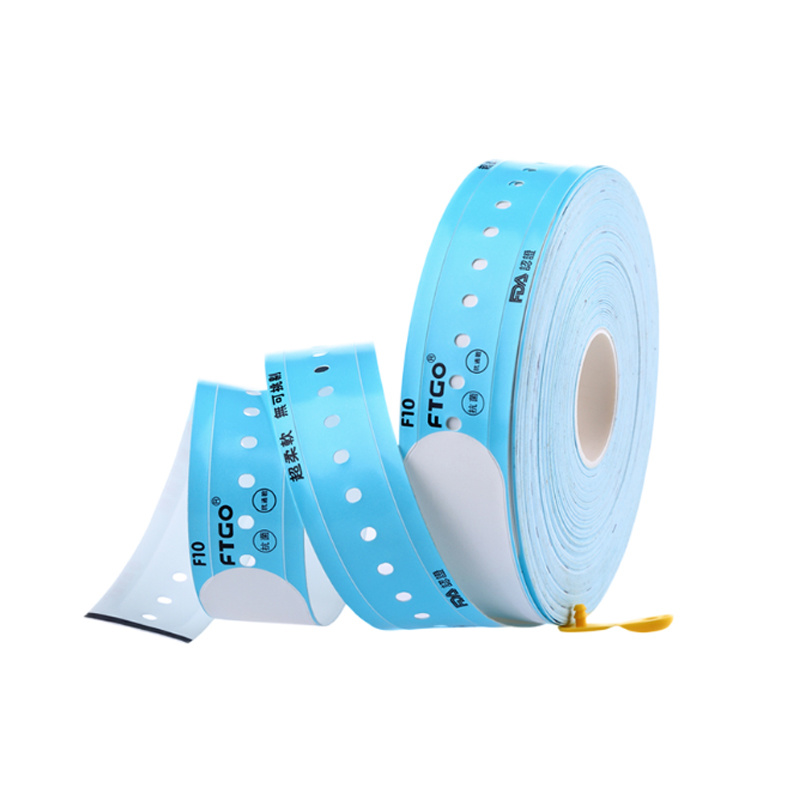
Wristbands remain one of the most traditional yet effective ways to identify patients. However, relying solely on basic wristbands can lead to errors. A more sophisticated option is barcode wristbands, which link directly to a patient’s electronic medical record (EMR).
🔍 FTGO Solution: FTGO’s durable barcode wristbands are customizable and can be easily integrated with most hospital EHR systems, reducing human error and ensuring accurate tracking of patient data. Studies show that hospitals using barcode wristbands have seen a 40% reduction in misidentification incidents.
📸 Image Suggestion:
A chart or image of FTGO's barcode wristband showing the integration with EMR systems.
3. Provide Interpretation Services
🗣️ Breaking Language Barriers
Language differences can result in miscommunication, which often leads to errors in patient identification. Providing interpretation services can drastically reduce these errors by ensuring that patients fully understand the identification process.
💡 Data Insight: Hospitals that offer real-time interpretation services have seen a 30% reduction in patient misidentification in multicultural environments.
4. Establish Standardized Protocols
📑 The Importance of Consistent Protocols
Instituting standardized patient identification protocols across all hospital departments ensures that every staff member follows the same procedures, no matter the situation.
🏥 Protocol Best Practices:
Implement clear, step-by-step guidelines.
Conduct regular training and simulations for staff to maintain proficiency in patient identification methods.
💡 Case Study:
Hospitals that have adopted consistent identification protocols report 20% fewer misidentifications during high-risk procedures, such as surgeries and emergency care.
5. Implement Technology Solutions
💻 Integrating Technology for Accuracy
Modern technologies, such as RFID tags or biometric systems, provide an added layer of security to patient identification. These tools work seamlessly with existing systems to prevent errors.
📊 Data Comparison:
| Technology | Impact on Patient Safety |
| Barcode Wristbands | 40% reduction in misidentification |
| RFID | 50% improvement in patient tracking accuracy |
| Biometrics | 60% decrease in errors during registration |
6. Improve Staff Training and Awareness
📚 Training as a Preventive Measure
No matter how advanced the system, without well-trained staff, patient misidentification will continue to occur. Regular, comprehensive staff training ensures all employees are aware of the importance of proper patient identification.
📊 Research Data: Hospitals that conduct regular training report 35% fewer misidentifications and a 20% improvement in overall workflow efficiency.
How FTGO Can Help: Real Data and Results
📈 Real Results from FTGO Products
Hospitals using FTGO wristbands have reported remarkable results. A hospital in Texas reduced misidentification errors by 60% after implementing FTGO's barcode wristband system. This reduction led to better patient care, fewer denied claims, and ultimately, increased patient satisfaction.
🛠️ FTGO Solutions Include:
Customizable wristbands with barcodes, RFID, and biometric compatibility.
Durable, high-quality materials designed for long-term use.
Easy integration with hospital EHR systems for seamless patient tracking.
What Can Choosing FTGO Bring You?
🌟 Why Choose FTGO?
FTGO offers a wide range of solutions designed to streamline patient identification in healthcare settings. Our wristbands are highly customizable, durable, and integrate seamlessly with electronic health systems, ensuring patient safety and operational efficiency.
🔒 Key Benefits of FTGO’s Products:
- Reduced errors and improved patient safety.
- Customization to fit the specific needs of your hospital or clinic.
- Cost savings through reduced misidentification and administrative errors.
FAQ
How can FTGO’s wristbands be customized?
FTGO’s wristbands are fully customizable, allowing for the inclusion of barcodes, RFID tags, patient information, and hospital branding.
Are the wristbands compatible with existing hospital EHR systems?
Yes, our wristbands are designed to integrate seamlessly with most major EHR systems, ensuring accurate data transmission.
How durable are the wristbands?
FTGO wristbands are made from high-quality, durable materials that can withstand harsh hospital environments and last throughout a patient’s stay.
Conclusion
🛡️ Ensuring accurate patient identification is a crucial aspect of improving patient safety and operational efficiency in hospitals. By adopting strategies such as using two identifiers, improving wristbands, offering interpretation services, and implementing technology, hospitals can drastically reduce the risks associated with patient misidentification.
💼 FTGO offers a reliable, proven solution for hospitals looking to improve their patient identification systems. Our customizable, durable wristbands help ensure patient safety, reduce errors, and ultimately save hospitals time and money.
Contact FTGO today to learn more about our wristband solutions and how we can help improve your patient identification practices.


Related News
Contact Us

CONTACT US
Tel:+852 5442 7314
Email:info@ftgo.com
Address:Unit 9040, 903-904, 9/F, Block B, Chung Mei Centre,15-17 Hing Yip Street, Kwun Tong, Kowloon, Hong Kong
Related website: Wristband manufacturer