
EASY CUSTOMIZATION
FREE SHIPPING ON ORDERS ABOVE $99
SAFE AND SECURE
Hospital Wristbands Information:What You Need to Know
Release time:
2025-02-17
Discover everything you need to know about hospital wristbands, including their importance, types, color codes, and security features. Learn how they improve patient safety and efficiency in healthcare, with real-life case studies and expert insights.
Hospital wristbands are a crucial component of modern healthcare, ensuring accurate patient identification, improving hospital workflow, and enhancing patient safety. Yet, many patients have concerns about the necessity, comfort, and security of these wristbands.
According to the World Health Organization (WHO), patient misidentification occurs in up to 12.3% of healthcare interactions, leading to medication errors and improper treatments. This guide provides comprehensive hospital wristbands information, including types, benefits, color codes, and advanced technology used in modern wristbands. We’ll also explore real-life case studies and testimonials to illustrate their importance.

📂 What Information is on a Hospital Wristband?
Hospital wristbands typically include essential patient information for quick and accurate identification. Below is a breakdown of the data commonly found on a hospital wristband:
| Information Type | Description |
| 👤 Patient Name | Full legal name of the patient |
| 📅 Date of Birth | Ensures age-related accuracy for treatments |
| 🔑 Medical Record Number (MRN) | Unique identifier for hospital records |
| 🏥 Hospital Name & Department | Identifies the healthcare facility and assigned department |
| 📆 Admission Date | Indicates when the patient was admitted |
| 🔍 Barcode/RFID Chip | Enables digital scanning for seamless hospital operations |

❓ Privacy and Security Concerns
Many patients worry about data security on wristbands. Modern hospitals use encrypted barcode and RFID technology, ensuring patient information remains confidential and accessible only to authorized personnel.
Case Study: Technological advances, such as point-of-care barcode wristband, use of workstations on wheels (WOWs) at the bedside, and flags in the electronic medical record to identify patients awaiting transport for specific procedures, can be used to minimize interdepartmental miscommunication(Source: PSNET Report 2020).
💡 Why Do I Need to Wear a Wristband?
Hospital wristbands are not just a formality—they are essential for:
- 🔒 Preventing Medical Errors: Ensuring medications and treatments match the correct patient.
- 🎨 Quick & Efficient Identification: Reducing wait times and improving hospital workflow.
- ⚖️ Emergency Situations: Allowing immediate access to critical patient data.
- 📗 Legal & Compliance Reasons: Meeting healthcare regulations like HIPAA and Joint Commission Standards.
Customer Testimonial: “I was unconscious when I arrived at the ER, but my FTGO wristband allowed doctors to access my allergy details instantly, avoiding a severe reaction.” — Sarah M., California
👥 Understanding Hospital Wristband Color Codes
Different wristband colors communicate specific patient conditions to healthcare providers. Below is a color-code guide used in many hospitals:
| 🎯 Color | 🏥 Meaning |
| 🟥 Red | Allergy Alert |
| 🟨 Yellow | Fall Risk |
| 🟣 Purple | Do Not Resuscitate (DNR) |
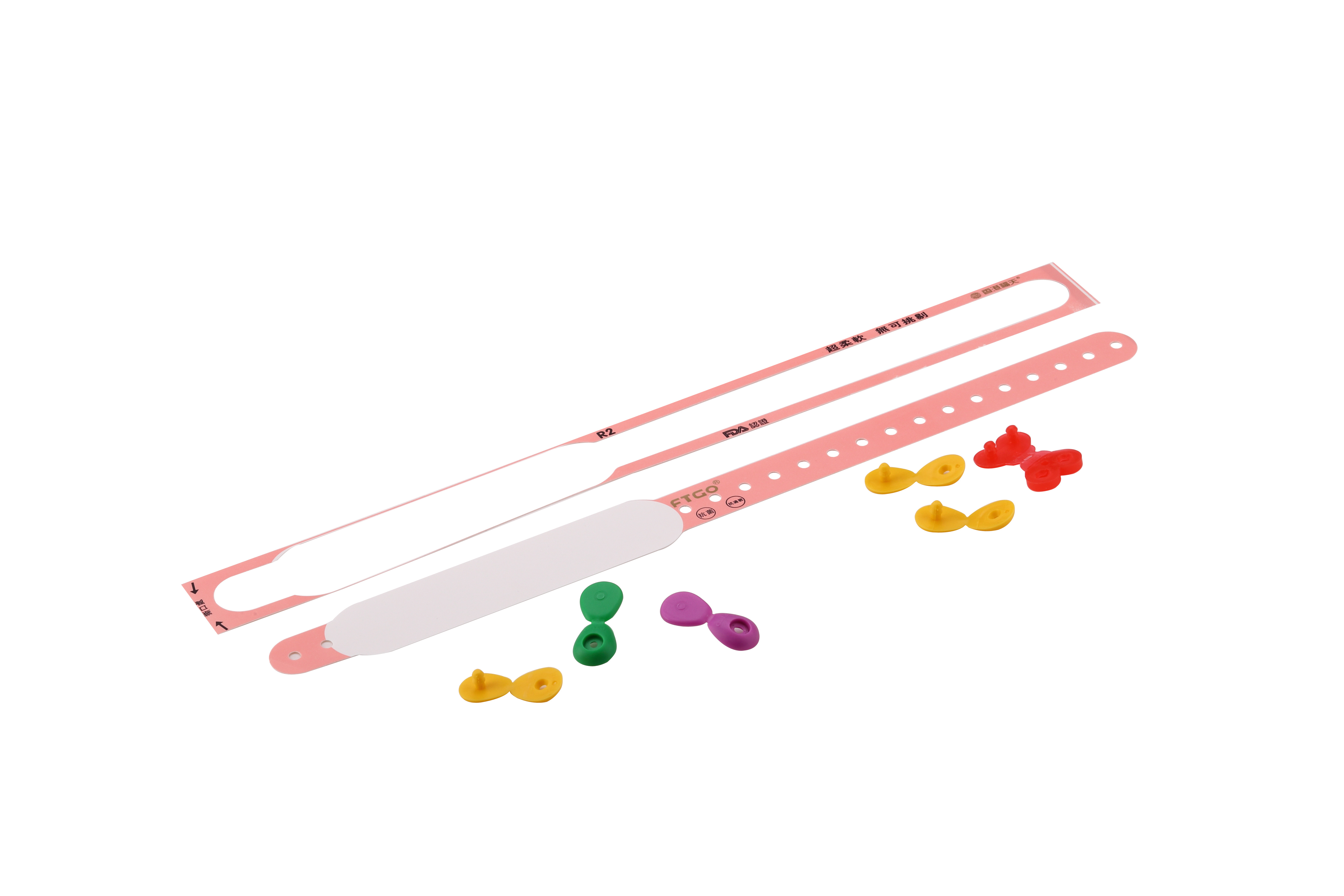
| 🟢 Green | Latex Allergy |
| 🟠 Blue | Restricted Limb |
| 🔵 White | Standard Patient ID |
Case Study: In 2019, a hospital in Florida implemented standardized color-coded wristbands, reducing medication errors related to allergies by 78% in one year (Source: Florida Health Safety Review ).
🔄 What If My Wristband is Damaged or Falls Off?
If your hospital wristband becomes damaged or lost, follow these steps:
- 📞 Notify hospital staff immediately.
- ✅ Get a replacement wristband to avoid misidentification.
- 📝 Check the new wristband for accuracy before leaving the nurse’s station.
Customer Testimonial: “The FTGO wristbands are so durable! I accidentally got mine wet, but the print stayed clear. Highly recommend!” — James T., New York
🚫 Can I Remove My Wristband?
Patients should never remove their wristbands until they are officially discharged. Premature removal can lead to:
- ⚠️ Delayed treatments due to missing identification.
- 🤦 Medication errors caused by mix-ups.
- 🚑 Inconvenience of reprinting and verifying new wristbands.
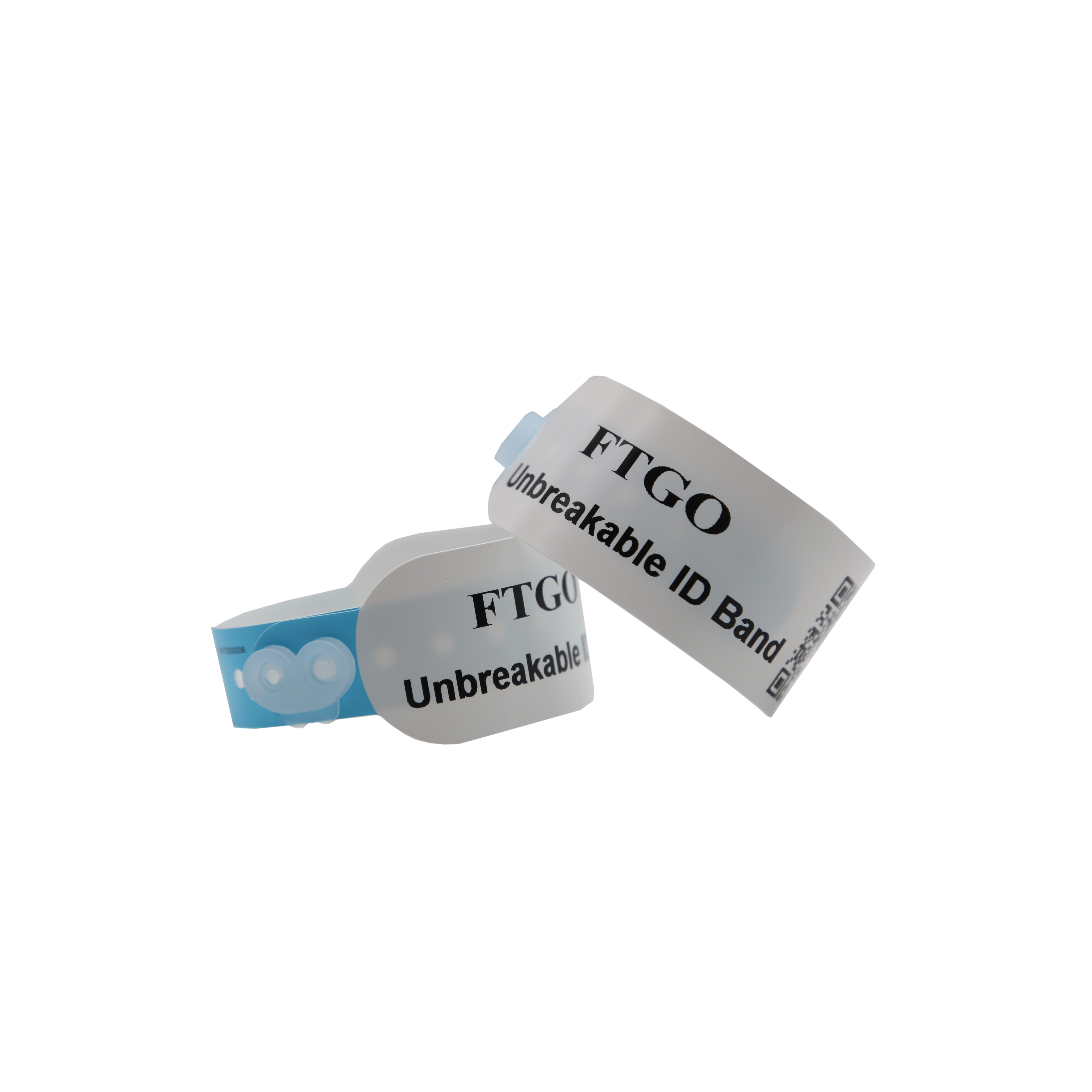
Tip: FTGO wristbands are designed for comfort and flexibility, making them less irritating for long hospital stays.
💡 Addressing Other Common Concerns
🌟 Comfort & Fit
- FTGO wristbands use hypoallergenic materials to prevent skin irritation.
- Soft edges reduce discomfort, making them wearable for extended periods.
⚕️ Allergies to Wristbands
- Hospitals offer latex-free wristbands for patients with skin sensitivities.
- Ask for alternative material options if you experience irritation.
⚡ Interference with Medical Procedures
- Modern hospital wristbands do not interfere with MRIs or X-rays.
- RFID-enabled wristbands ensure fast patient tracking without disrupting procedures.
📊 Comparison: FTGO Wristbands vs. Standard Hospital Wristbands
| Feature | FTGO Wristbands 🏆 | Standard Wristbands ❌ |
| Durability | Waterproof & Tear-Resistant | Prone to wear & tear |
| Print Quality | Fade-Resistant High Clarity | May Smudge Over Time |
| Comfort | Soft, Hypoallergenic Material | Can Cause Irritation |
| Data Security | Encrypted Barcode & RFID | Basic Barcode |
Customer Review: “After switching to FTGO wristbands, our hospital saw a 50% reduction in patient misidentifications. These wristbands are a game-changer!” — Dr. Emily K., Hospital Administrator
📍 Conclusion
Hospital wristbands play a critical role in patient safety and efficient healthcare management. While some patients may find them inconvenient, they serve life-saving purposes by preventing errors and ensuring smooth hospital operations.
FTGO wristbands stand out by offering:
- Durability ✔ Waterproof, tear-resistant design
- Security ✔ Advanced RFID & barcode encryption
- Comfort ✔ Soft, latex-free materials for sensitive skin
If you have any concerns about your hospital wristband, always consult your healthcare provider. A small band on your wrist can make a big difference in your safety!
Do you have an experience with hospital wristbands?You can contact us to discuss medical wristbands.


Related News
Contact Us

CONTACT US
Tel:+852 5442 7314
Email:info@ftgo.com
Address:Unit 9040, 903-904, 9/F, Block B, Chung Mei Centre,15-17 Hing Yip Street, Kwun Tong, Kowloon, Hong Kong
Related website: Wristband manufacturer