Learn about Hospital Wristband
In today’s healthcare system, the importance of accurate patient identification cannot be overstated. From ensuring the right medications are administered to safeguarding against the risks of misidentification, hospital wristbands play a crucial role in patient safety. As hospitals and healthcare facilities worldwide continue to invest in modern technologies to enhance operational efficiency, the role of wristbands has evolved significantly, offering not only identification solutions but also streamlined workflows, greater patient security, and better overall care.
In this blog post, we’ll explore the different types of hospital wristbands, the benefits they offer, and how advancements in technology are shaping the future of patient identification—while highlighting how FTGO’s high-quality wristbands can improve hospital safety and operational efficiency.

The Role of Hospital Wristbands in Patient Safety
At their core, hospital wristbands are designed to ensure accurate patient identification. They act as a reliable tool for medical staff to confirm a patient’s identity, helping to reduce the risk of errors, such as administering the wrong medication or performing the wrong procedure.
Studies show that patient misidentification is one of the most common causes of medical errors. According to the National Institute for Health and Care Excellence (NICE), such errors can have dire consequences, including unnecessary treatments, delayed diagnoses, and even fatalities. Hospital wristbands significantly mitigate these risks by ensuring that all medical staff, from nurses to physicians, have immediate and accurate access to the patient’s identifying information, which may include:
- Patient’s full name
- Date of birth
- Medical record number
- Allergies or special needs (for specific wristbands)
The importance of hospital wristbands in enhancing patient safety cannot be overstated. A system built around these wristbands helps eliminate confusion and ensure that every patient receives the care they need, when they need it, based on their true identity.
Types of Hospital Wristbands
When choosing the right hospital wristband, healthcare facilities have several options based on their specific needs, patient demographics, and budget. Each type comes with unique features that cater to different requirements, from standard paper wristbands to high-tech RFID bands.

1. Traditional Wristbands: Paper, Tyvek, and Plastic
Paper wristbands are the most cost-effective option, often used for short-term patient identification needs, such as for outpatient visits or emergency care. They are typically used in clinics or outpatient departments where the patient’s stay is brief. However, paper wristbands can easily be torn or damaged, making them unsuitable for longer-term hospital stays.
Tyvek wristbands offer a higher level of durability than paper, making them more suitable for extended use. Made from high-density polyethylene fibers, Tyvek wristbands are lightweight, tear-resistant, and can be customized with printed patient information. Many hospitals prefer these wristbands for inpatient care, as they provide better security than paper wristbands while remaining cost-effective.
Plastic wristbands are the most durable option, designed to withstand long-term wear. They’re often used in settings like maternity wards or intensive care units (ICU), where patient identification is crucial, and the wristband must remain intact for the duration of the patient’s stay. These wristbands are also highly customizable and can be embossed with patient details for added security.
2. Advanced Wristbands: RFID, Barcode, and QR Code Bands
RFID (Radio Frequency Identification) wristbands represent the latest in hospital wristband technology. These wristbands are embedded with a small chip that communicates with a hospital’s electronic records system, allowing medical staff to instantly access a patient's information through an RFID scanner. RFID bands are especially beneficial for hospitals that want to enhance their patient tracking systems and reduce human error. They allow hospitals to manage patient flows more efficiently, reduce waiting times, and enhance patient safety.

Similar to RFID wristbands, barcode wristbands carry patient information that can be scanned for quick identification. Barcode wristbands are widely used in hospitals due to their simplicity and ease of implementation. They can be easily printed and scanned by healthcare staff, ensuring that the right treatment and medication are administered.
QR Code Wristbands
QR code wristbands function similarly to barcode wristbands but offer even more flexibility. Healthcare professionals can scan the QR code with a mobile device or tablet to access a patient’s health records or treatment plans. QR codes can also be linked to patient management apps, making them a modern and cost-effective solution for hospitals looking to integrate technology into their daily operations.
Benefits of Using Hospital Wristbands
Hospital wristbands aren’t just about patient identification—they offer a wide array of benefits that improve hospital operations, increase patient satisfaction, and enhance overall safety.
1. Improved Patient Identification and Reduced Errors
By eliminating confusion and misidentification, hospital wristbands are a vital tool in preventing errors that could have serious consequences. Wristbands ensure that all healthcare providers—whether it’s a nurse, doctor, or lab technician—can instantly confirm a patient’s identity and verify their treatment plan. This reduction in misidentification has been proven to improve patient outcomes.
2. Enhanced Operational Efficiency
Hospital wristbands help hospitals streamline their operations. By integrating wristbands with hospital management systems, healthcare providers can track patient movements, medication administration, and treatment progress in real time. This allows hospitals to better manage patient care, reduce delays, and ensure that resources are allocated effectively.
3. Comfort and Durability
Modern hospital wristbands, like those from FTGO, are designed with patient comfort in mind. Made from soft, flexible materials such as nano-silicon, FTGO wristbands are hypoallergenic, durable, and water-resistant. These features ensure that patients wear their wristbands comfortably throughout their stay, without irritation or discomfort.
4. Waterproof and Alcohol-Resistant Features
FTGO’s hospital wristbands are also designed to withstand common hospital conditions. They are resistant to water, alcohol, and other disinfectants, ensuring that they remain legible and intact throughout a patient's stay—whether they’re undergoing surgery, being treated in the ICU, or spending time in the ER.

Technological Advancements in Hospital Wristbands
Wristbands have come a long way from their humble beginnings. FTGO is committed to staying at the forefront of hospital wristband innovation, providing wristbands that integrate seamlessly with modern healthcare technologies.
- RFID and NFC Integration: FTGO offers RFID-enabled wristbands that integrate easily with hospital electronic health records (EHR) systems. This technology allows healthcare providers to track patients in real time, access medical records instantly, and reduce the risk of human error.
- Real-Time Monitoring: Some FTGO wristbands are designed to work with wearable health devices, allowing for real-time monitoring of patient vital signs. This is particularly useful in critical care settings, where monitoring a patient's condition continuously is essential.
- Customization Options: FTGO offers fully customizable wristbands that can be tailored to the specific needs of hospitals, from color and design to printed patient information. Whether you're looking for a simple plastic band or a high-tech RFID wristband, FTGO provides a wide range of options to fit your needs.
Conclusion
Hospital wristbands are an essential tool for patient safety, operational efficiency, and enhanced healthcare services. From basic paper wristbands to advanced RFID-enabled bands, these products help ensure that patients receive accurate and timely care. FTGO’s innovative wristbands, made from durable, comfortable, and hypoallergenic materials, offer hospitals the highest level of quality and reliability.
If you’re looking to upgrade your hospital’s wristband system or want to learn more about how FTGO’s customizable wristbands can improve patient care, contact us today to explore our wide range of options.
T610 Child Thermal Printing Buckle Wristband

Adult handwriting buckle wristband
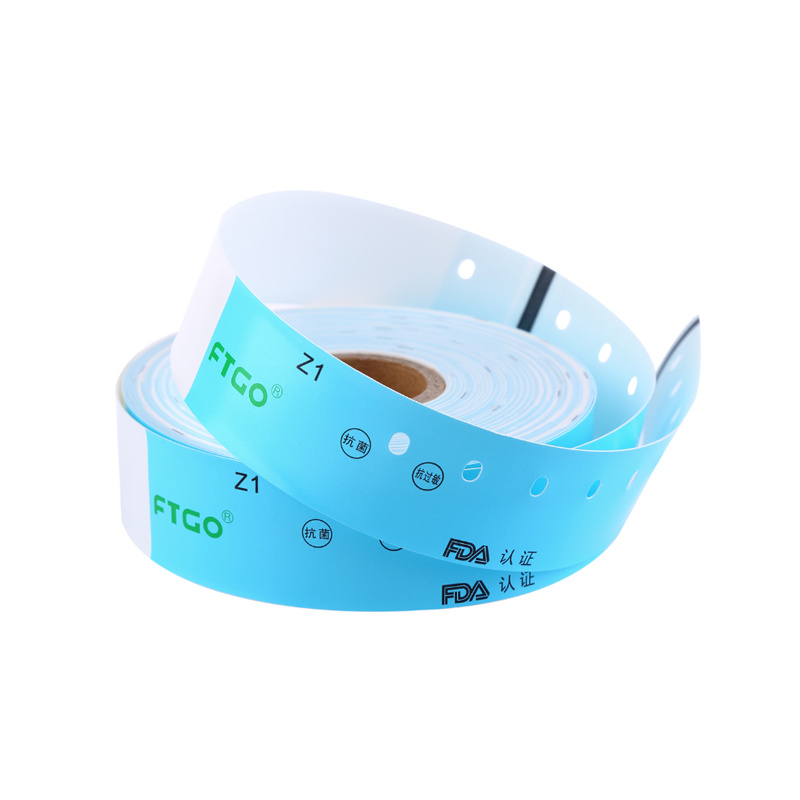
F10 Adult thermal print buckle wristband

F1 Adult thermal print button wristband