
EASY CUSTOMIZATION
FREE SHIPPING ON ORDERS ABOVE $99
SAFE AND SECURE
Handwritten Wristbands vs. Printed Wristbands – Which Is More Suitable for Hospitals?
Release time:
2024-06-28
Discover the key differences between handwritten and printed hospital wristbands in this in-depth guide. Learn about their advantages, drawbacks, and impact on patient safety, hospital efficiency, and compliance. Compare features, costs, and durability with data-driven insights to make an informed choice for your healthcare facility.
🔹 Introduction
In today’s rapidly evolving healthcare landscape, ensuring patient safety and efficient management are top priorities for hospitals worldwide. One seemingly simple yet critical component of patient care is the wristband. Hospital wristbands play an indispensable role in patient identification, treatment accuracy, and overall hospital workflow. This blog post delves deep into the comparison between handwritten wristbands and printed wristbands, exploring their functionalities, benefits, drawbacks, and market trends. By integrating reliable data and expert insights, this guide aims to help hospital administrators and medical professionals make an informed decision on the best wristband solution for their institution.

🔸 Why Are Hospitals Using Wristbands?
Hospitals rely on wristbands as a critical tool for accurate patient identification. Misidentification can lead to severe consequences, including medication errors and wrong-site surgeries. Here’s why wristbands are an essential part of hospital procedures:
🔹 Patient Safety:
Wristbands ensure that every patient receives the correct treatment. They display vital information such as the patient’s full name, date of birth, and medical record number. This level of detail minimizes the risk of error during diagnosis and treatment.
🔹 Legal Compliance and Accreditation:
Healthcare facilities are required by law and accreditation bodies to implement strict patient identification protocols. Wristbands help hospitals meet these regulatory standards.
🔹 Operational Efficiency:
In a busy hospital environment, wristbands facilitate quick and accurate patient identification, thereby streamlining workflows and reducing administrative burden.
🔹 Data Customization and Security:
Customized wristbands can include additional critical information, such as allergies or specific care instructions, ensuring that the right care is provided promptly.
Table: Key Reasons for Using Hospital Wristbands
| Icon | Reason | Details |
| ✅ | Patient Safety | Accurate identification minimizes treatment errors |
| ✅ | Legal Compliance | Meets regulatory standards and accreditation requirements |
| ✅ | Operational Efficiency | Streamlines patient care and reduces administrative tasks |
| ✅ | Customization & Security | Customizable information to include critical patient data |
🔸 What Is a Handwritten Wristband?
A handwritten wristband is typically created at the point-of-care, where a healthcare professional manually writes patient information on a blank wristband using a marker. This method is particularly useful in scenarios where immediate customization is required, or where access to printing equipment is limited.
🔹 Process:
Handwritten wristbands are produced by manually writing patient details, which allows for on-the-spot customization. This flexibility is crucial during emergency situations when time is of the essence.
🔹 Materials:
Typically, these wristbands are made from inexpensive, easily available materials, making them a cost-effective option for smaller or resource-constrained healthcare facilities.
🔹 Common Uses:
Handwritten wristbands are often used in temporary setups, smaller clinics, or during surges in patient intake, where rapid response is more critical than long-term durability.

🔸 What Are Printed Wristbands?
Printed wristbands are manufactured using advanced printing technologies that ensure the accurate and consistent transfer of patient data onto durable wristbands. These wristbands are created using dedicated wristband printers, which are designed to work with a variety of materials and withstand harsh hospital conditions.
🔹 Technology and Process:
Printed wristbands are produced using digital printing methods. The process involves pre-loading patient data into a system that then prints the information onto wristbands with high precision and consistency.
🔹 Materials and Durability:
Printed wristbands are made from high-quality, durable materials that are resistant to water, chemicals, and physical wear. This makes them ideal for long-term use, especially in settings where wristbands must remain legible over extended periods.
🔹 Standardization:
With printed wristbands, hospitals achieve a high degree of standardization. Each wristband maintains consistent formatting and information layout, reducing the likelihood of errors.
Table: Comparison of Handwritten vs. Printed Wristbands
| Feature | Handwritten Wristbands | Printed Wristbands |
| Customization | High flexibility on-the-spot | Pre-designed templates allow for standardization |
| Accuracy | Prone to human error | High accuracy with digital precision |
| Durability | Lower, susceptible to fading and wear | High, resistant to environmental factors |
| Cost | Lower initial cost | Higher initial investment, cost-effective long term |
| Operational Efficiency | Slower, manual process | Fast, automated process |
| Integration with Systems | Minimal digital integration | Easily integrated with electronic health records |
🔸 Pros and Cons for Each Type in a Hospital Setting
Understanding the benefits and limitations of each wristband type is critical for making the right choice. Below, we present a detailed analysis of the pros and cons for handwritten and printed wristbands.
Handwritten Wristbands
🔹 Pros:
Flexibility:
Ideal for last-minute changes and emergency situations where immediate customization is essential.
Cost-Effective:
Lower initial cost makes them accessible for hospitals with limited budgets or during crisis situations.
No Equipment Required:
They do not require investment in specialized printers or technology, which can be beneficial for smaller clinics.
🔹 Cons:
Human Error:
The manual writing process is susceptible to errors, such as illegible handwriting or inaccurate data entry.
Inconsistency:
Variability in handwriting can lead to misinterpretation of critical patient information.
Durability Issues:
Handwritten ink may fade or smear over time, especially when exposed to moisture or disinfectants.
Time-Consuming:
In high-volume environments, manually writing each wristband can be a slow and labor-intensive process.
Printed Wristbands
🔹 Pros:
High Accuracy and Legibility:
Digital printing ensures that every wristband is clear and consistent, significantly reducing the risk of misidentification.
Durability:
Manufactured with materials that are resistant to environmental factors, ensuring the wristband remains intact throughout its use.
Operational Efficiency:
Automated production processes speed up wristband creation, especially important in large hospitals with high patient turnover.
Integration with Digital Systems:
Easily integrated with electronic health records (EHR) and other hospital management systems, facilitating seamless information flow.
Cost-Effectiveness Over Time:
Although the initial investment may be higher, the reduction in errors and increased efficiency can lead to cost savings in the long run.
🔹 Cons:
Higher Initial Setup Cost:
Requires investment in specialized wristband printers and software.
Technical Training:
Staff must be trained to operate and maintain the printing equipment.
Dependence on Technology:
Reliance on electronic systems can be problematic in the event of power outages or technical failures.
Table: Detailed Comparison
| Feature | Handwritten Wristbands | Printed Wristbands |
| Flexibility | ✅ Immediate customization for emergencies | ✅ Consistent design, limited on-the-fly adjustments |
| Error Margin | ❌ Higher error risk due to human factors | ✅ Lower error risk with digital precision |
| Legibility | ❌ Often inconsistent and difficult to read | ✅ Consistently clear and professional |
| Durability | ❌ Susceptible to fading, smudging, and damage | ✅ Engineered for long-term durability and resistance |
| Cost | ✅ Lower upfront cost | ❌ Higher initial investment, more cost-effective over time |
| Efficiency | ❌ Time-consuming in high-volume environments | ✅ Quick, automated, ideal for busy hospital settings |
| Integration | ❌ Minimal integration with digital systems | ✅ Seamless integration with hospital information systems |
🔸 How Are Printed Wristbands Better Than Handwritten Wristbands?
Printed wristbands have emerged as the preferred choice in many modern healthcare facilities, and for good reason. Here are several compelling reasons why printed wristbands surpass their handwritten counterparts:
🔹 Enhanced Accuracy and Legibility:
Digital printing technology ensures that every wristband is produced with the utmost precision. This eliminates common issues associated with handwritten errors, such as misinterpreted characters or smudging, which can jeopardize patient safety.
🔹 Superior Durability:
Printed wristbands are manufactured using high-quality materials that withstand exposure to water, chemicals, and continuous wear. This is particularly important in hospitals where wristbands are subjected to frequent cleaning and disinfecting processes.
🔹 Streamlined Workflow:
Automated printing processes drastically reduce the time required to produce wristbands, making it ideal for large hospitals with high patient turnover. This efficiency directly translates to faster patient processing and improved overall hospital operations.
🔹 Digital Integration:
Printed wristbands can be seamlessly linked to electronic health record (EHR) systems, enabling automatic data capture and reducing administrative burdens. This integration is vital for modern hospitals striving for operational excellence.
🔹 Long-Term Cost Savings:
Although the initial investment in printed wristbands and related equipment might be higher, the reduction in human error and the efficiency gains lead to significant cost savings over time. Fewer errors mean fewer costly mistakes and improved patient outcomes.
Data Insight:
According to a recent industry survey, hospitals using printed wristbands reported a 30% reduction in patient identification errors compared to those using handwritten wristbands. This not only enhances patient safety but also results in significant cost savings related to malpractice claims and administrative corrections.
🔸 Market Trends: The Current Ratio of Handwritten vs. Printed Wristbands
The healthcare industry is experiencing a gradual shift towards standardized, printed wristbands. However, handwritten wristbands remain in use in certain regions. Here’s a snapshot of the current market trends:
🔹 Adoption Rates:
In developed healthcare systems, printed wristbands are becoming the norm, accounting for an estimated 70–80% of wristband usage. In contrast, handwritten wristbands are more commonly found in resource-limited settings or smaller clinics, making up the remaining 20–30%.
🔹 Regional Variations:
In countries with advanced healthcare infrastructures, hospitals have largely transitioned to printed wristbands due to the associated benefits of accuracy, durability, and digital integration. Meanwhile, in developing regions where cost constraints and limited access to advanced technology prevail, handwritten wristbands are still widely used.
🔹 Future Projections:
As technology becomes more accessible and healthcare systems worldwide strive for improved patient safety standards, the trend is expected to continue shifting toward printed wristbands. Hospitals are increasingly investing in digital solutions that integrate seamlessly with other patient management systems.
Table: Market Share Comparison
| Region/Country | Printed Wristbands Usage | Handwritten Wristbands Usage |
| North America & Europe | 80% | 20% |
| Asia-Pacific (Developed) | 75% | 25% |
| Developing Regions | 50% | 50% |
| Global Average | ~70–80% | ~20–30% |
🔸 Why Do Some Hospitals Still Use Handwritten Wristbands?
Despite the clear advantages of printed wristbands, some hospitals continue to use handwritten wristbands for several reasons:
🔹 Cost Considerations:
The initial investment in wristband printers and digital systems can be prohibitive for smaller healthcare facilities or those in developing regions. Handwritten wristbands offer a low-cost alternative when budgets are tight.
🔹 Traditional Practices:
In many hospitals, longstanding procedures and workflows favor the use of handwritten wristbands. Change can be slow in environments where established practices are deeply ingrained.
🔹 Infrastructure Limitations:
Some regions may lack the necessary infrastructure, such as reliable electricity or internet connectivity, which is crucial for the smooth operation of digital printing systems.
🔹 Training and Adaptability:
The switch to printed wristbands requires staff training and adjustment to new technologies. In settings where training resources are limited, handwritten wristbands remain a familiar and practical option.
Data Insight:
A survey conducted by healthcare research firms revealed that nearly 40% of hospitals in low-resource regions continue to use handwritten wristbands due to cost constraints and limited technical support.
🔸 Global Variations in Hospital Wristband Usage
The adoption of wristband technology varies significantly around the world due to differences in economic development, healthcare infrastructure, and regulatory standards. Here’s how the usage differs globally:
🔹 Developed Countries:
In North America and Europe, printed wristbands dominate due to advanced healthcare systems that prioritize patient safety and operational efficiency. These regions benefit from robust IT infrastructures that support digital integration and continuous innovation.
🔹 Developing Countries:
In contrast, many hospitals in developing regions still rely heavily on handwritten wristbands. This is often a result of budget constraints and less advanced healthcare infrastructures. Nonetheless, there is a growing trend towards modernization as these regions invest in better healthcare solutions.
🔹 Case Studies:
Case Study 1: A leading hospital in Germany implemented printed wristbands and reported a 35% reduction in patient misidentification incidents within the first year of adoption.
Case Study 2: In rural India, several clinics continue to use handwritten wristbands due to the lower cost and immediate availability of the materials, even though the error rate is notably higher.
🔸 Consultation and Product Offerings from FTGO
At FTGO, we understand that every hospital has unique needs when it comes to wristband technology. With over 14 years of expertise in research, development, and production, FTGO is one of China’s leading manufacturers of both handwritten and printed wristbands. Our products are exported to more than 20 countries around the world, and we pride ourselves on delivering high-quality, customizable solutions tailored to the specific requirements of each healthcare facility.
🔹 Expert Consultation:
If you’re uncertain about which wristband solution best fits your hospital’s needs, our expert team is ready to provide personalized advice. We consider factors such as patient volume, budget constraints, and existing technological infrastructure.
🔹 Product Range:
FTGO offers a comprehensive range of products, including:
- Handwritten Wristbands: For quick, on-demand customization.
- Printed Wristbands: For high-accuracy, durable patient identification.
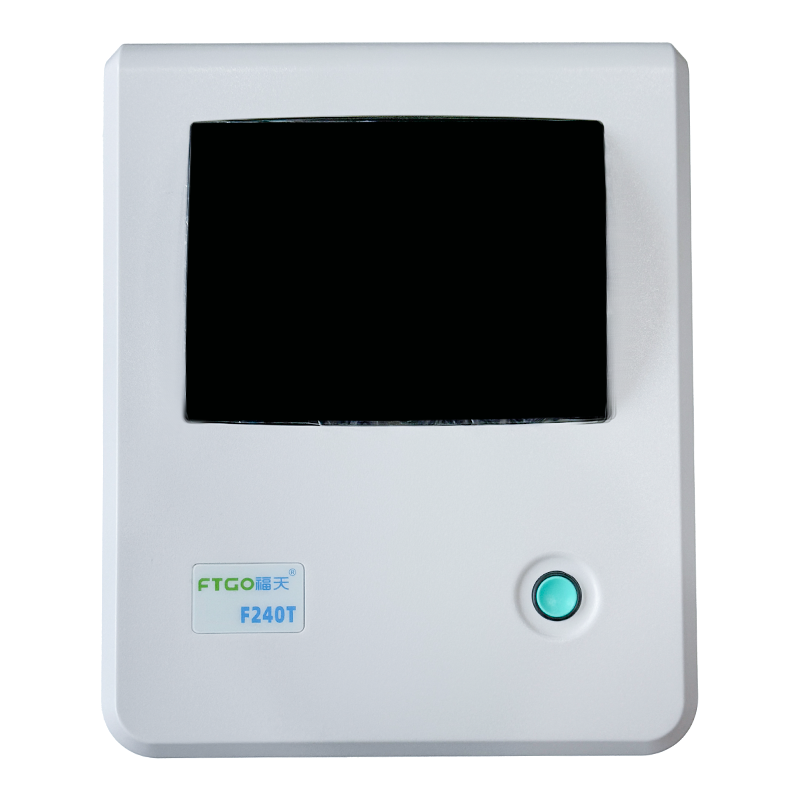
- Wristband Printers: Engineered for efficient and reliable production.
- Additional Products: Blank labels, warning labels, and tourniquets, all designed to meet the rigorous demands of modern healthcare facilities.
Table: FTGO Product Offerings
| Product Category | Features | Benefits |
| Handwritten Wristbands | Immediate customization, low-cost materials | Quick turnaround in emergencies, budget-friendly |
| Printed Wristbands | High precision digital printing, durable materials | Improved accuracy, long-term durability, enhanced safety |
| Wristband Printers | User-friendly interface, robust performance | Efficient production, seamless integration with hospital systems |
| Additional Products | Customized blank labels, warning labels, tourniquets | Comprehensive healthcare solutions tailored to specific needs |

🔸 Advantages of FTGO's Wristbands
FTGO’s dedication to quality and innovation sets our wristband solutions apart in the global healthcare market. Here are some key advantages of choosing FTGO:
🔹 Quality Assurance:
Every wristband produced by FTGO undergoes rigorous quality control processes, ensuring that they meet both national and international standards for patient safety.
🔹 Customization:
FTGO offers fully customizable wristbands, allowing hospitals to include specific patient information, hospital logos, or other vital details that enhance the wristband’s functionality.
🔹 Durability:
Our printed wristbands are made from high-quality materials that withstand harsh hospital environments, ensuring legibility and functionality throughout the patient’s care period.
🔹 Global Reach:
With established partnerships in over 20 countries, FTGO’s products are trusted by hospitals around the world. Our commitment to excellence has positioned us as a leading manufacturer in the wristband industry.
🔹 After-Sales Support:
FTGO provides comprehensive customer service, including training for staff and ongoing technical support, ensuring that your transition to advanced wristband technology is smooth and hassle-free.

🔸 Frequently Asked Questions (FAQ)
To further assist hospital administrators and healthcare professionals in making the right choice, here are some frequently asked questions about hospital wristbands:
What factors should hospitals consider when choosing wristbands?
🔹 Consider accuracy, durability, cost, and ease of integration with existing digital systems. The specific needs of your facility will determine the best solution for patient identification.
How do printed wristbands integrate with hospital information systems?
🔹 Printed wristbands can be easily linked with electronic health records (EHR) and patient management software, allowing for seamless data capture and real-time updates.
What are the maintenance requirements for wristband printers?
🔹 Regular maintenance, including cleaning and calibration, is essential to ensure the printers operate efficiently. FTGO provides comprehensive training and support to help your staff manage these tasks.
How does FTGO ensure quality and consistency in its products?
🔹 Our wristbands undergo stringent quality control measures at every stage of production. We use advanced digital printing technology and high-quality materials to guarantee reliability and durability.
Can FTGO customize wristbands to specific hospital needs?
🔹 Absolutely. FTGO offers a range of customization options to include patient-specific information, hospital branding, and other critical data tailored to your facility’s requirements.
🔸 Conclusion
In summary, both handwritten and printed wristbands serve a critical role in hospital patient care. While handwritten wristbands offer immediate customization and lower upfront costs, their susceptibility to human error and inconsistency makes them less ideal for environments where precision is paramount. On the other hand, printed wristbands provide enhanced accuracy, durability, and operational efficiency, aligning perfectly with modern hospital needs.
🔹 Key Takeaways:
- Printed wristbands are superior in terms of accuracy, legibility, and durability, making them the preferred choice for most hospitals.
- Handwritten wristbands still hold value in emergency or resource-constrained settings due to their flexibility and lower cost.
- FTGO’s expertise in wristband production, spanning over 14 years, ensures that hospitals receive high-quality, customizable solutions that enhance patient safety and streamline operations.
- Market trends indicate a significant shift towards printed wristbands, with a global adoption rate reaching up to 80% in developed healthcare systems.
- Regional variations exist, and hospitals in developing regions may continue to rely on handwritten wristbands until infrastructure and budgets improve.
- FTGO’s comprehensive product range, including wristband printers, blank labels, and additional accessories, provides an all-in-one solution for modern healthcare needs.
🔹 Call to Action:
If your hospital is evaluating wristband options or if you’re unsure which solution fits your needs, consult with FTGO. Our experienced team is ready to guide you through the selection process and provide customized, high-quality wristband solutions that ensure the highest standards of patient care.


previous page
Related News
Contact Us

CONTACT US
Tel:+852 5442 7314
Email:info@ftgo.com
Address:Unit 9040, 903-904, 9/F, Block B, Chung Mei Centre,15-17 Hing Yip Street, Kwun Tong, Kowloon, Hong Kong
Related website: Wristband manufacturer