
EASY CUSTOMIZATION
FREE SHIPPING ON ORDERS ABOVE $99
SAFE AND SECURE
Why FTGO Children’s Wristbands Are a Top Choice for Hospitals
Release time:
2024-06-24
Explore the critical role of patient wristbands in pediatric care. Learn about unique challenges, best practices, and innovations like RFID technology that ensure safety and accuracy for young patients. Discover why FTGO children’s wristbands are a top choice for hospitals.
I. Introduction
In the intricate world of healthcare, ensuring accurate patient identification is a cornerstone of safety and quality care. Patient wristbands, often overlooked as simple accessories, play a pivotal role in this process. These small but mighty tools carry critical information—such as a patient’s name, date of birth, medical record number, and allergies—acting as a first line of defense against medical errors. In hospitals worldwide, hospital wristbands are indispensable for verifying identities, ensuring that the right patient receives the right treatment at the right time.
This importance escalates in pediatric care, where the stakes are uniquely high. Children, particularly infants and toddlers, cannot communicate their identities or medical needs, placing the burden of accuracy squarely on healthcare systems. A patient identification wristband becomes more than just a label; it’s a lifeline that safeguards vulnerable young patients. However, pediatric settings introduce distinct challenges—ranging from size and fit issues to skin sensitivity—that require tailored solutions. This blog post explores the critical role of child patient wristbands, delving into the unique challenges they present, best practices for their use, and the technological advancements transforming their application in pediatric care. With a focus on safety, comfort, and innovation, we’ll also highlight why products like FTGO children’s wristbands are leading the way.
II. Unique Challenges of Pediatric Wristband Use
Pediatric patients span a diverse range—from premature newborns to active teenagers—each presenting specific needs that complicate the use of identity wristbands. Below, we outline the key challenges healthcare providers face when implementing wristbands in pediatric settings.
A. Size & Fit
One of the most immediate hurdles is ensuring a proper fit. A medical wristband designed for an adult is impractical for a child, particularly an infant with a wrist circumference of just a few centimeters. Adjustable patient wristbands are essential to accommodate this variability, but the design must strike a delicate balance. If too tight, the wristband risks restricting circulation or causing discomfort; if too loose, it may slip off, defeating its purpose or even posing a safety hazard. For instance, a loose hospital wristband on a toddler could become a toy—or worse, a choking risk—underscoring the need for precision in sizing.
B. Skin Sensitivity
Children’s skin is notably more delicate and prone to irritation than that of adults. This sensitivity heightens the risk of allergic reactions or rashes from child patient wristbands. Common materials like latex, while durable, can trigger allergies in some pediatric patients, leading to discomfort or medical complications. Selecting hypoallergenic materials is thus a non-negotiable priority to protect young skin during hospital stays.
C. Patient Compliance
Young patients often resist wearing patient identification wristbands, especially if they find them uncomfortable or foreign. Toddlers might tug at them out of curiosity, while anxious children may attempt to remove them entirely. This lack of compliance can compromise identification efforts. To counter this, wristbands must be both comfortable and engaging—perhaps featuring bright colors or familiar cartoon characters to make them feel less like a medical device and more like a fun accessory.
D. Accurate Identification
In pediatrics, accurate identification is a matter of life and death. Infants, who often share similar physical traits, cannot confirm their identities verbally, making the identity wristband their sole identifier. Errors in data—such as a misspelled name or incorrect medical record number—can lead to devastating mistakes, like administering the wrong medication. Ensuring that every medical wristband displays clear, correct, and legible information is paramount, requiring rigorous verification processes.
E. Security Issues
Security is another pressing concern. A patient wristband that slips off or is easily removed by a child undermines its purpose and introduces risks. For example, a loose band could be chewed on, presenting a choking hazard, while a removable one might be misplaced or swapped unintentionally. Hospital wristbands for children must therefore be tamper-proof and secure, designed to stay in place throughout a patient’s care journey.
III. Best Practices for Pediatric Patient Wristbands
To overcome these challenges, healthcare providers can adopt best practices that optimize the use of child patient wristbands. These strategies focus on safety, comfort, and accuracy, ensuring that wristbands serve their intended purpose effectively.
A. Material Selection
The foundation of a good patient wristband lies in its material. Soft, flexible, and hypoallergenic options like silicone or fabric are ideal for pediatric use. Silicone, for instance, is durable, water-resistant, and gentle on sensitive skin, while fabric offers breathability and comfort. These materials minimize the risk of irritation, making them a go-to choice for hospital wristbands in pediatric wards.
B. Design and Comfort
Comfort is key to encouraging compliance. Patient identification wristbands should feature smooth edges, a lightweight feel, and a secure yet non-restrictive fit. Beyond functionality, design plays a psychological role. Bright colors, playful patterns, or cartoon characters can transform a medical wristband into something children accept willingly.
[Image Placeholder: A smiling child wearing a colorful wristband with a cartoon character, happily showing it off to a nurse]
C. Accurate Information and Verification
Accuracy starts with meticulous data entry. Staff must cross-check wristband details—name, date of birth, medical record number, allergies—against patient records before application. Incorporating technologies like barcodes or RFID (Radio-Frequency Identification) enhances this process, enabling electronic verification that reduces human error. A scanned identity wristband can instantly pull up a child’s records, ensuring precision in high-pressure environments.
D. Parent Involvement
Parents are invaluable allies in pediatric care. Involving them in applying child patient wristbands ensures a proper fit and reinforces the band’s importance. Educating parents about why the wristband matters—for safety and treatment accuracy—can also encourage them to dissuade their child from removing it.
E. Regular Monitoring and Maintenance
Wristbands aren’t a “set it and forget it” tool. Staff should routinely inspect hospital wristbands for wear, damage, or skin irritation, replacing them as needed. A protocol for swift replacement—whether due to a torn band or a faded print—maintains their reliability throughout a child’s hospital stay.
F. Education and Training
Effective use of patient wristbands hinges on well-trained staff. Nurses and clinicians need education on pediatric-specific needs, from applying wristbands correctly to spotting signs of discomfort. Similarly, explaining the purpose of medical wristbands to parents and older children fosters cooperation, turning a potential point of contention into a shared commitment to safety.
IV. Technological Advancements in Pediatric Wristbands
Technology is reshaping how patient identification wristbands function, bringing unprecedented accuracy and efficiency to pediatric care.
A. RFID and Barcode Systems
RFID and barcode technologies are at the forefront of this evolution. A hospital wristband embedded with a barcode or RFID chip allows for instant, automated identification. Scanning a wristband retrieves a patient’s digital records in seconds, eliminating manual errors and speeding up workflows. For example, in a busy emergency department, a nurse can scan a child patient wristband to confirm medication allergies, ensuring swift and safe treatment. These advancements not only enhance safety but also free up staff to focus on caregiving rather than administrative tasks.
V. Top 5 Reasons Why Hospitals Choose FTGO Children’s Wristbands
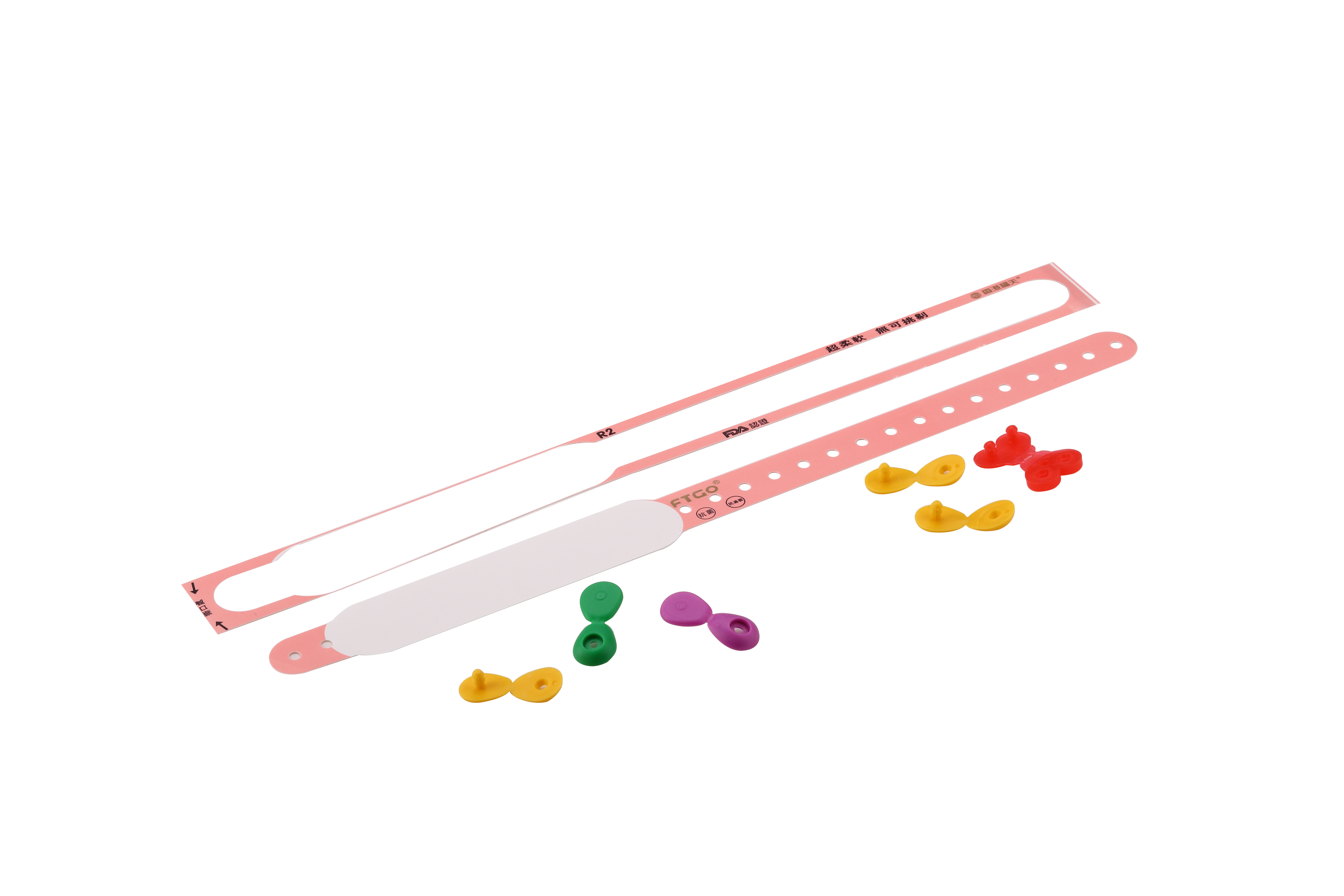
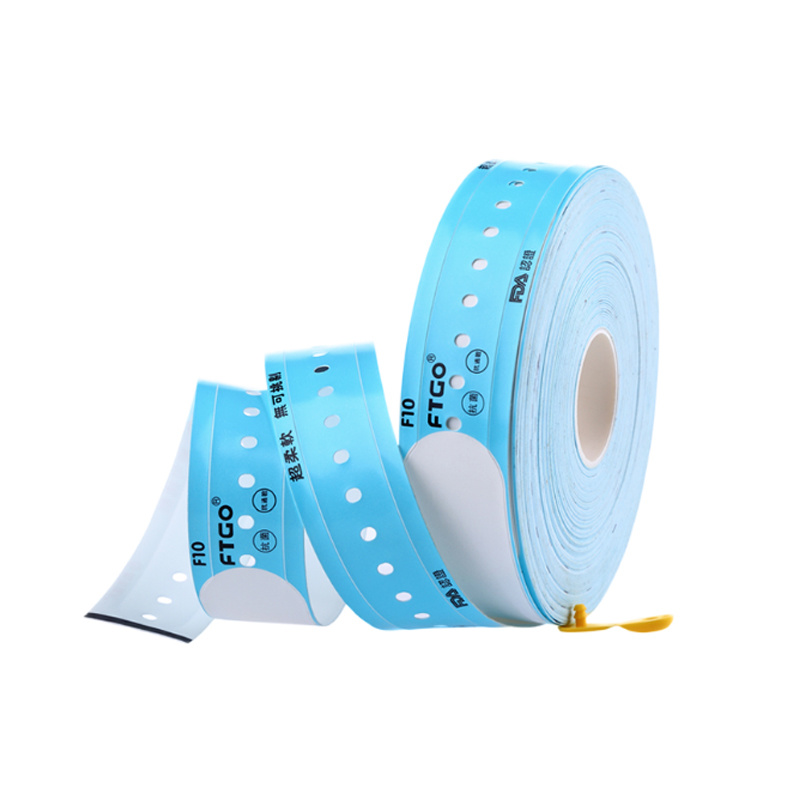
When selecting patient wristbands for pediatric patients, hospitals often turn to trusted solutions like FTGO children’s wristbands. Below is a table outlining the top five reasons these wristbands are a preferred choice, blending innovation with practicality.
| Feature | Benefit |
| Nano Silicon Anti-Allergy Design | Reduces allergy risks with hypoallergenic properties, perfect for sensitive skin |
| Special Coating Technology | Ensures printed information remains clear and durable, even with extended wear |
| Tamper-Proof Design | Prevents removal or reuse, enhancing security and reducing cross-infection risks |
| Soft and Skin-Friendly Material | Combines cloth-like softness with plastic durability for all-day comfort |
| Cute Design | Features cartoon characters to delight children, boosting compliance |
These attributes align seamlessly with pediatric needs. The nano silicon design addresses skin sensitivity, while the tamper-proof feature tackles security concerns. The cute, child-friendly aesthetics make FTGO identity wristbands a hit with young patients, proving that functionality and appeal can coexist.
VI. Conclusion
Patient wristbands are far more than identification tools—they are guardians of safety in healthcare, nowhere more so than in pediatric settings. The unique challenges of caring for children, from their delicate skin to their inability to self-identify, demand specialized approaches. By prioritizing hypoallergenic materials, child-friendly designs, accurate verification, and parental involvement, hospitals can ensure that child patient wristbands meet these needs effectively.
Technological advancements like RFID and barcodes are pushing the boundaries of what hospital wristbands can achieve, offering precision and efficiency that save time and lives. Meanwhile, solutions like FTGO children’s wristbands exemplify how innovation can address practical challenges—delivering comfort, security, and compliance in one package.
As pediatric care evolves, so must the tools that support it. Medical wristbands will continue to play a vital role, adapting to new technologies and insights to protect our youngest patients. By embracing best practices and cutting-edge solutions, healthcare providers can uphold the highest standards of safety and care, ensuring that every child’s identity—and well-being—is safeguarded.


Related News
Contact Us

CONTACT US
Tel:+852 5442 7314
Email:info@ftgo.com
Address:Unit 9040, 903-904, 9/F, Block B, Chung Mei Centre,15-17 Hing Yip Street, Kwun Tong, Kowloon, Hong Kong
Related website: Wristband manufacturer